AC Leak Water Damage in Pinellas Park, FL
An air conditioner pulls gallons of water out of humid air every day. When the condensate drain clogs, the pan overflows into the ceiling, the closet floor or the wall. The drying team opens what got wet and dries it.
☎ (888) 621-2041AC dripping through the ceiling? Call now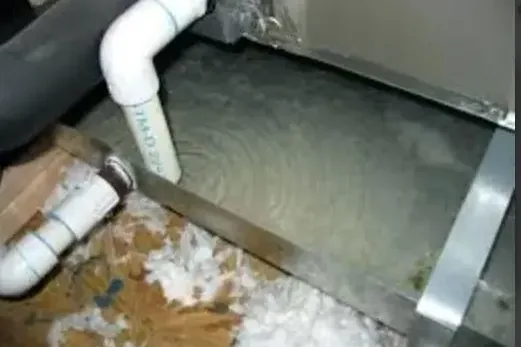
First steps for AC leak water damage
- Turn the AC off. Switch the system off at the thermostat so the coil stops making water.
- Catch the drip. Put a bucket or towels under the leak, and poke a small hole in a bulging ceiling spot over a bucket only if it is safe.
- Check the pan. If the air handler is in a closet, look for water in the pan and on the floor around it.
- Photograph the stain. Take photos of the ceiling, the closet and the unit before anything is cut or cleaned.
Air conditioning runs most of the year here, and a central system removes several gallons of water from the air on a humid summer day. All of it drips into a pan under the indoor coil and leaves through one small drain pipe. Algae and sludge grow in that dark, damp pipe until it clogs. Then the pan fills, and the water goes wherever the air handler sits: into the ceiling below an attic unit, or across the floor of a hall closet.
What does AC leak water damage cost in Pinellas Park, FL?
In Pinellas Park, AC leak water damage cleanup typically runs $1,200 to $6,500, depending on how much ceiling drywall and attic insulation got wet and whether the water reached the floor and walls below.
Closet floor only
$1,200 to $2,500- Extraction
- Baseboard off
- Floor and wall bottoms dried
One ceiling
$2,500 to $4,500- Wet drywall cut out
- Attic insulation removed
- Joists dried
Ceiling and rooms below
$4,500 to $6,500+- Several rooms
- Flooring dried or lifted
- LGR dehumidifiers
Ranges are typical, not a quote: the category of water, square footage, material class and how fast drying started move the number most. Run the water damage cost calculator for a closer range.
How AC leak water damage is handled, step by step
Find the wet area
The tech traces the water with thermal imaging and meters from the air handler outward.
Open and remove
The crew removes soaked ceiling drywall and wet insulation and protects the room below.
Dry the framing
The drying team sets air movers and a dehumidifier aimed at the joists, closet floor and wall bottoms.
Verify and record
Daily readings run until every material meets the dry reference, then the file is closed.
Signs the AC is leaking
- A yellow or brown ring on the ceiling near a vent or below the attic air handler
- Wet carpet or swollen baseboard outside the AC closet
- Water in the secondary pan, or a float switch that has shut the system off
- A musty smell when the system starts, or rust in the drain pan
The AC overflow risk check scores these signs for a quick read.
Who does what
An HVAC technician clears the drain, checks the pan and the float switch and fixes the unit. The restoration team handles the water: it finds the wet area with thermal imaging and meters, cuts out ceiling drywall that is soaked or sagging, pulls wet attic insulation and dries the joists, the closet floor and the wall bottoms. The ENERGY STAR program has maintenance basics for central air systems, and the EPA indoor air quality pages explain why damp ceilings and closets need to dry fast.
Why AC water is not always clean
Condensate starts as clean water, but it runs through a slimy pan and pipe, and it often sits in a warm ceiling for days before anyone sees a stain. Water that sits that long can turn into Category 2. That is why the tech who does the walkthrough checks how long the leak ran, not just where it is. A leak from a bath or a supply pipe above the ceiling is a different source; see ceiling leak water damage.
Drying a ceiling and attic
Wet ceiling drywall dries slowly with insulation lying on top of it. The crew removes the wet insulation, opens the drywall where it is soaked, and runs air movers and a dehumidifier so the framing reaches the dry reference. The attic gets checked too, because a hot attic hides wet insulation well.
AC leak water damage across Pinellas Park and nearby
Coverage takes in ZIP 33780, 33781 and 33782: Downtown and Park Boulevard, The Mainlands, Bonnie Bay, Autumn Run, Park Place, the US 19 and 49th Street corridors and the homes around Freedom Lake Park.
Nearby coverage reaches Seminole, Largo, Kenneth City, Lealman, St. Petersburg, Clearwater, Feather Sound.
Related water damage services
AC Leak Water Damage questions
Why does my AC leak water inside the house?
Usually the condensate drain pipe is clogged with algae or sludge, so the pan overflows. A cracked pan, a disconnected pipe or a frozen coil can also leak. An HVAC technician confirms the cause.
Can a wet ceiling from an AC leak be dried without cutting it?
Sometimes, if the leak was small, caught early and the drywall is firm. Drywall that sags, crumbles or has wet insulation on top of it gets cut out so the framing can dry.
Does insurance cover AC leak water damage?
Sudden water damage from an overflowing pan is often covered, while the repair of the AC unit and damage from a long, slow leak often are not. Coverage depends on your policy, so check with your own insurer.
How do I keep the AC drain from clogging?
Have the condensate drain flushed during routine service, and ask an HVAC technician about a float switch that shuts the system off when the pan fills.
How long does an AC leak take to dry?
Most closet and single-ceiling losses dry in three to six days once wet insulation and drywall are out. Readings decide when the equipment comes out.
What does AC leak cleanup cost?
Most jobs run $1,200 to $6,500. The water damage cost calculator gives a typical range for the rooms involved.
AC overflowed into the ceiling? Get it dried before it falls.
Condensate keeps soaking drywall and insulation every hour the system runs. The crew opens what is wet and dries the framing.
☎ (888) 621-2041Dry out the AC leak now