Water Damage Restoration Dunedin, FL
Burst pipes, storm rain and failed appliances all end the same way in Dunedin homes, with wet floors and soaking drywall. The drying team extracts the water first, then dries what remains to measured targets.
☎ (888) 621-2041Reach a local drying specialist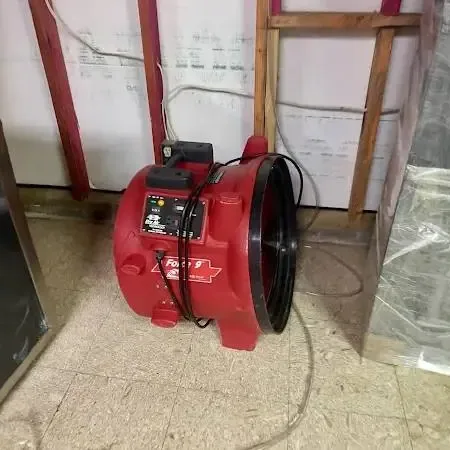
Three quick moves to limit the damage
- Stop the source. Close the shutoff valve at the fixture or the main so more water stops reaching the floor.
- Cut power nearby. Turn off breakers for wet rooms and stay out of standing water near outlets, cords or appliances.
- Photograph everything. Take photos and short video of the wet areas and damaged belongings before anything is moved or thrown out.
Water damage services for local homes and businesses
Pick the problem that matches what happened, and the restoration team handles the extraction, tear-out and drying from there.
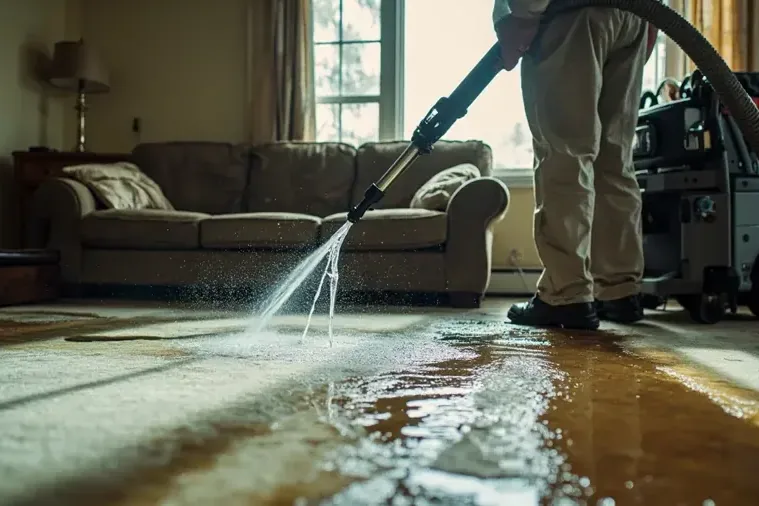
Water Extraction and Removal
Truck-mounted and portable extractors pull standing water out of carpet, tile and subfloor before it wicks up into baseboards and wall bottoms.
See the service ›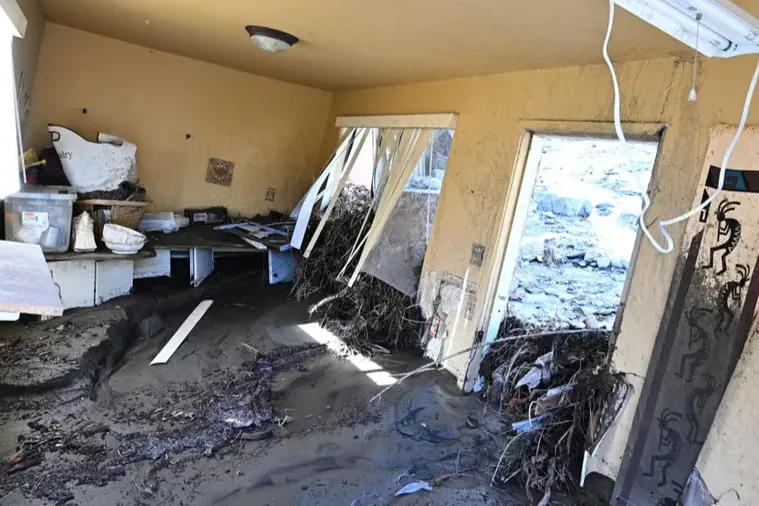
Flood Water Cleanup
Rising water from heavy rain or storm surge brings mud and contamination, so flooring and low drywall come out and the structure is dried and treated.
See the service ›Water problems handled here
- Burst and split pipes
- Appliance and hose leaks
- Roof and ceiling leaks
- Sewage backups
- Storm and flood water
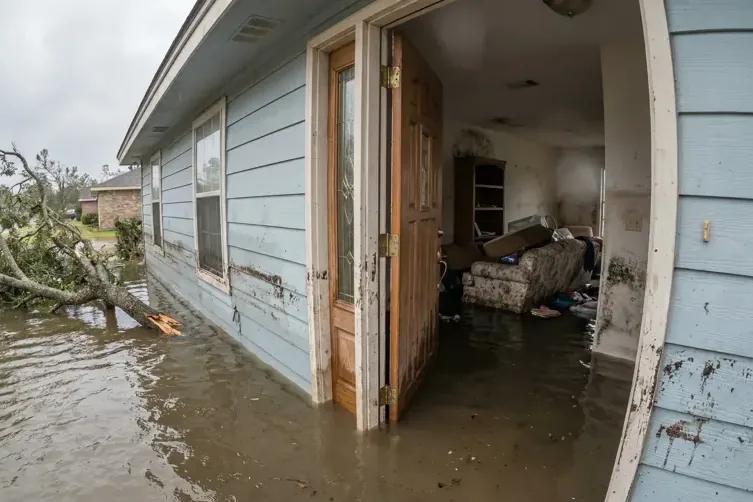
Hurricane and Storm Water Damage
Wind-driven rain finds weak roofing, windows and doors. The response team opens wet ceilings, clears soaked insulation and dries the rooms below.
See the service ›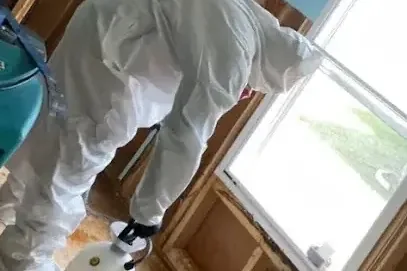
Sewage Backup Cleanup
Sewage is contaminated water, so the crew works in protective gear, removes porous materials it touched and disinfects every surface before drying begins.
See the service ›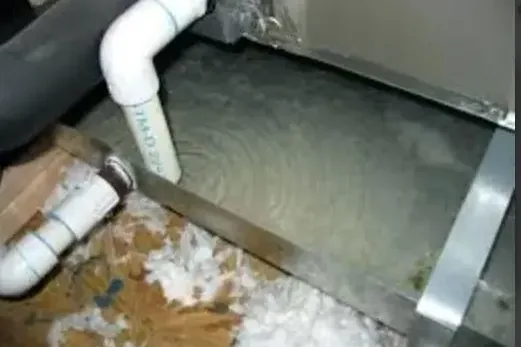
AC Leak Water Damage
A clogged condensate drain sends water into the closet, the ceiling below or the attic. The drying team traces the overflow and dries every wet cavity.
See the service ›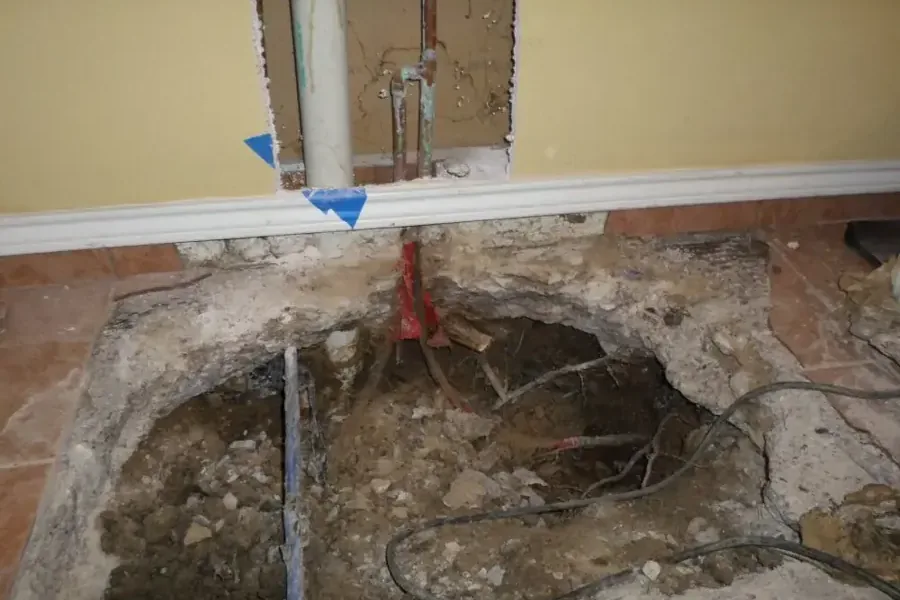
Slab Leak Water Damage
A pipe leaking under a concrete floor wets flooring from below. Moisture mapping pinpoints the damp slab, and desiccant or LGR drying brings the concrete back to dry.
See the service ›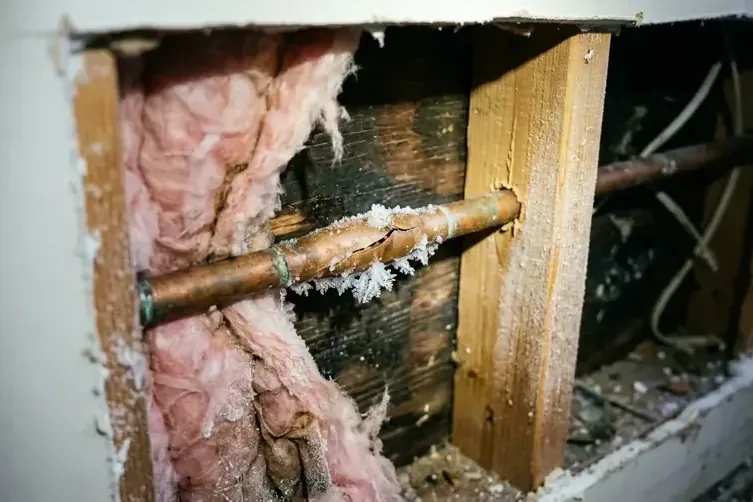
Burst Pipe Water Damage
A split supply pipe can soak a wall, cabinet or attic fast. Once the main is off, the team extracts the water and opens wet cavities to dry.
See the service ›Drying equipment and methods
- Portable extractors
- LGR dehumidifiers
- Axial air movers
- Thermal imaging
- Moisture meters
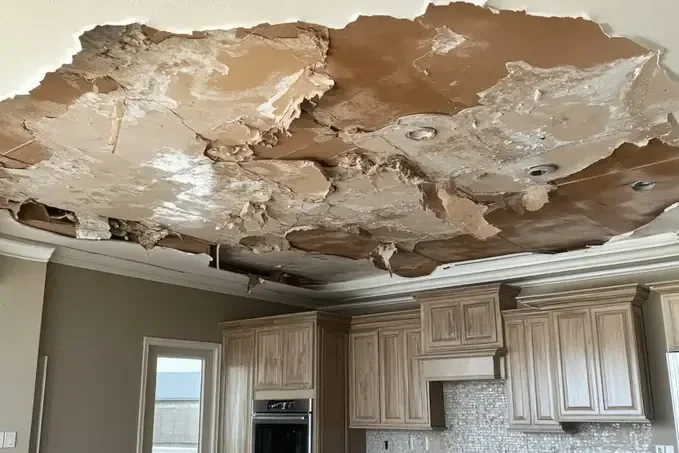
Roof Leak Water Damage
Storm rain that gets past shingles or flashing soaks insulation and ceilings from above. The crew removes the wet material and dries the framing.
See the service ›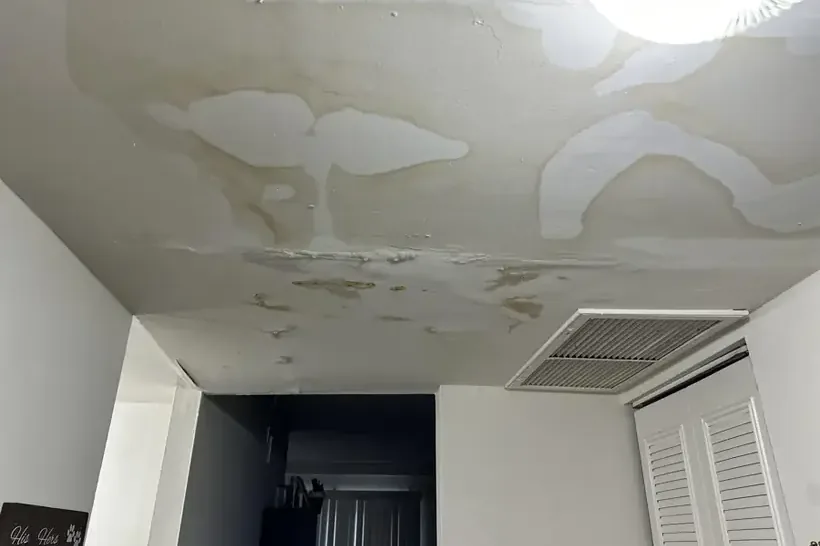
Ceiling Leak Water Damage
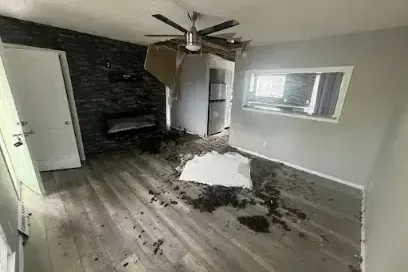
Brown stains and sagging drywall point to water above, from the roof, an air handler or a plumbing pipe. The team finds the source and dries the cavity.
See the service ›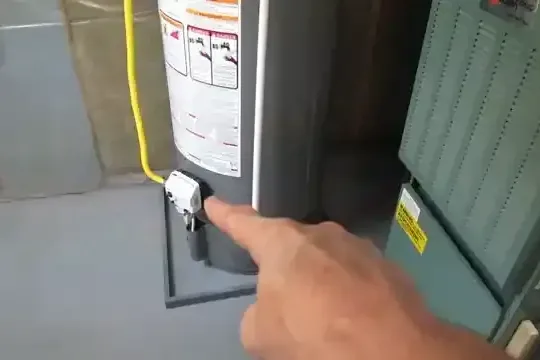
Water Heater Leak Cleanup
A failed tank or fitting can spread water through a garage, closet or utility room. Extraction and a targeted dry-out keep it from reaching nearby walls.
See the service ›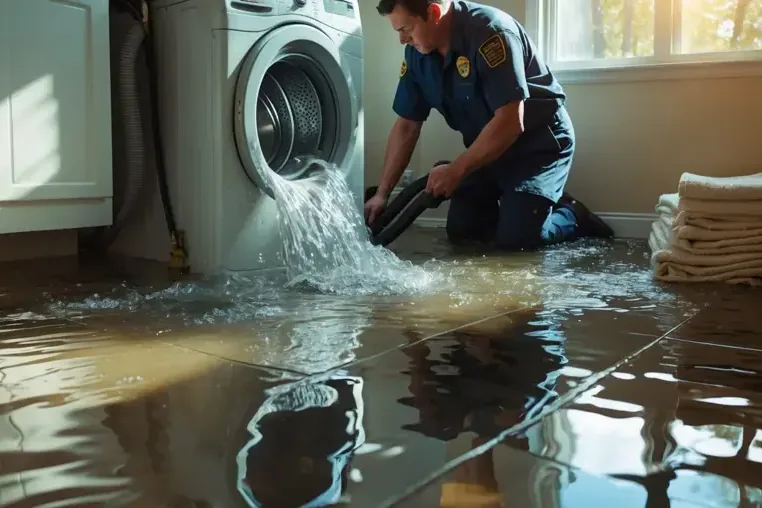
Appliance and Supply Hose Leaks
Dishwashers, washing machines, ice makers and worn supply hoses leak behind cabinets and under floors where the damage stays hidden until it spreads.
See the service ›Neighborhoods in town
- Downtown Dunedin
- Baywood Shores
- Dunedin Isles
- Honeymoon Island
- Edgewater Drive
- Douglas Avenue
- Louden Avenue
- Bayshore Boulevard
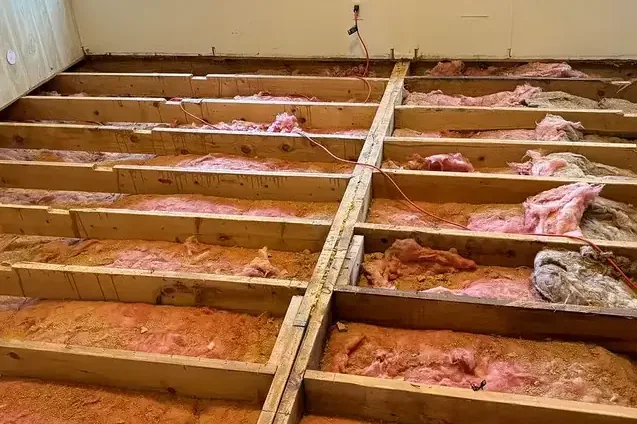
Mobile Home Water Damage
Mobile homes hold water in the belly insulation and particleboard subfloor. Technicians check underneath, lift wet floor sections and dry the framework.
See the service ›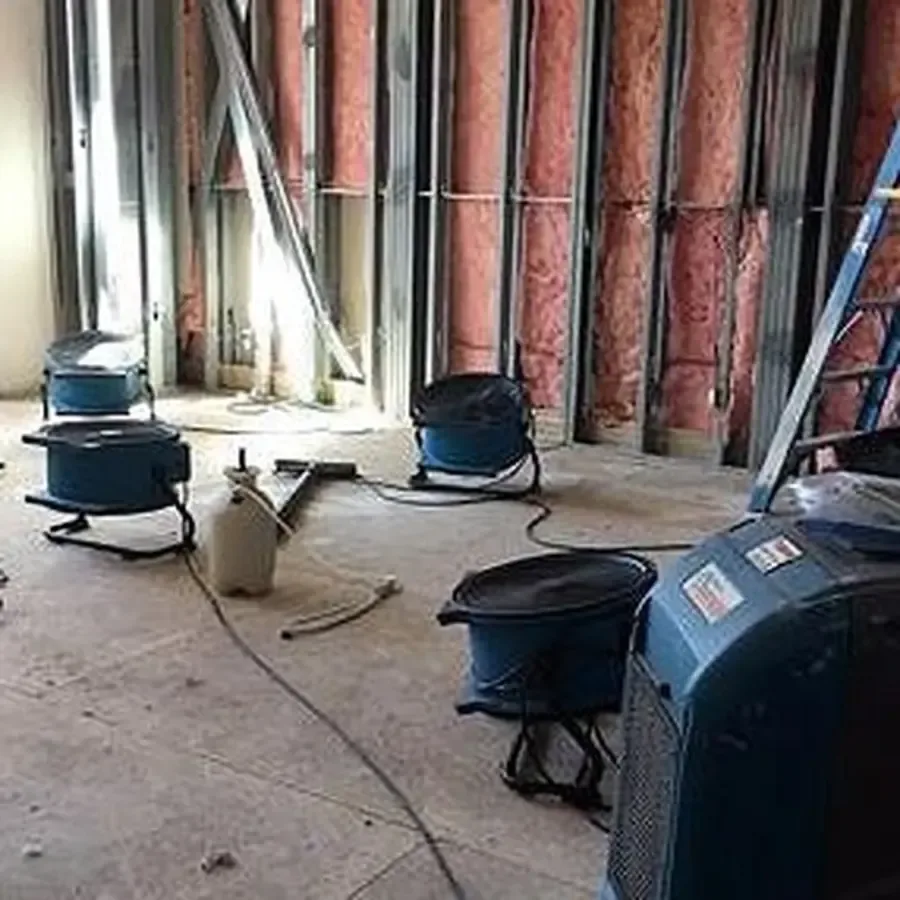
Structural Drying and Dehumidification
Moisture meters, thermal imaging and LGR dehumidifiers steer the dry-out, with readings logged until framing and subfloor reach the target.
See the service ›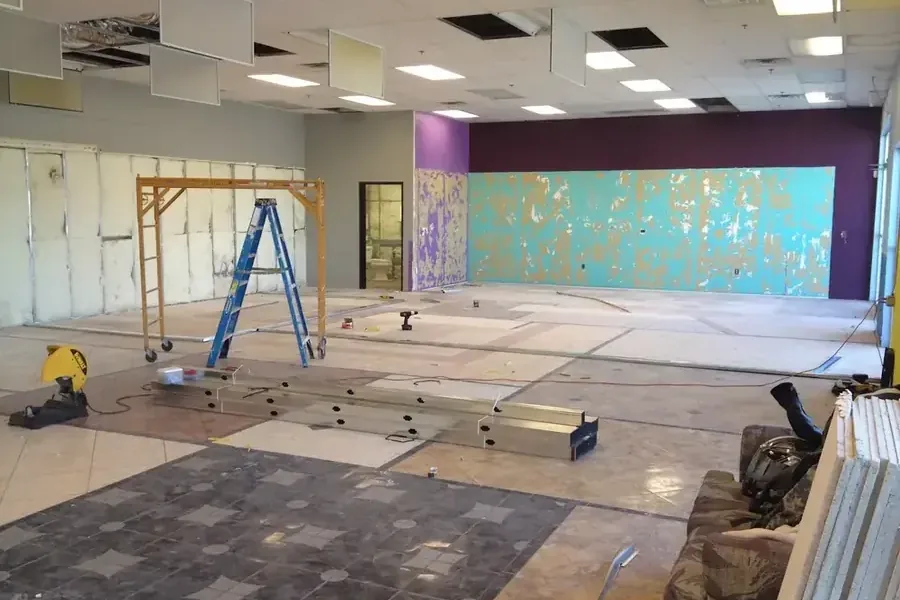
Commercial Water Damage
Shops, restaurants and offices in town need drying that limits downtime. The crew phases the work and protects stock and fixtures.
See the service ›Measured drying with the paperwork to prove it
Every job follows written drying standards and daily readings, so an adjuster or homeowner can see exactly what was removed and why.
Round-the-clock response
Water damage does not wait for business hours, so the restoration team takes calls overnight, on weekends and during storm warnings.
Measured drying targets
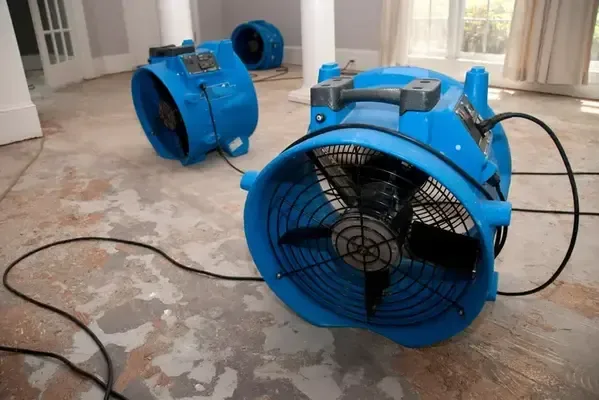
Equipment is placed from moisture readings and S500 drying principles instead of guesswork, and it stays until the materials read dry.
Claim-ready documentation
Photos, moisture logs and equipment records are saved for the insurer, with nothing left for the homeowner to reconstruct later.
Water and sewage only
The team focuses on water losses, sewage backups and storm water, which keeps the equipment and methods matched to the actual problem.
From first moisture reading to a confirmed dry structure
Water spreads farther than it looks. Behind baseboards, under flooring and inside wall cavities, moisture keeps feeding on drywall and wood, so the drying plan comes from readings and thermal images instead of guesses. Damp materials left alone can start growing mold within 24 to 48 hours.
- Thermal imaging scans
- S500 drying principles
- Daily moisture records
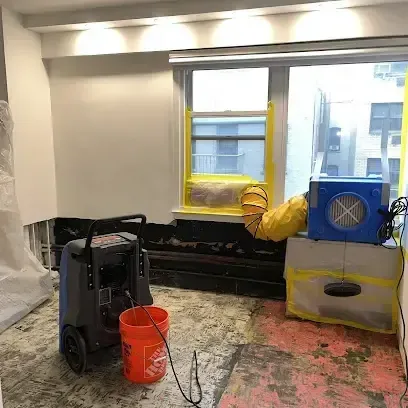
Find every wet spot
Moisture meters and a thermal camera map the damp areas, including walls and subfloor that look dry from the surface.
Remove the water
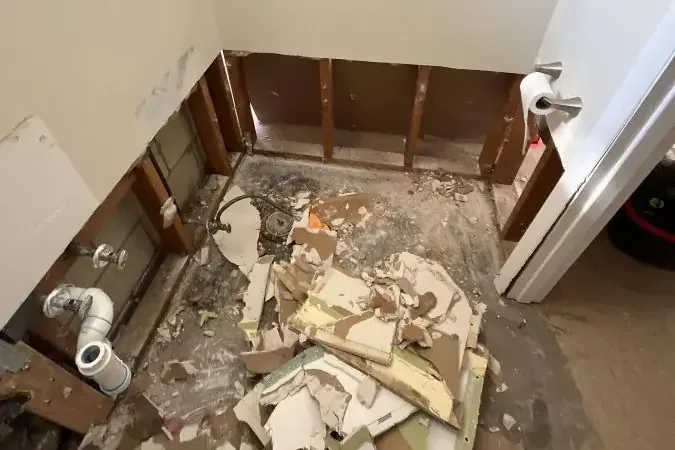
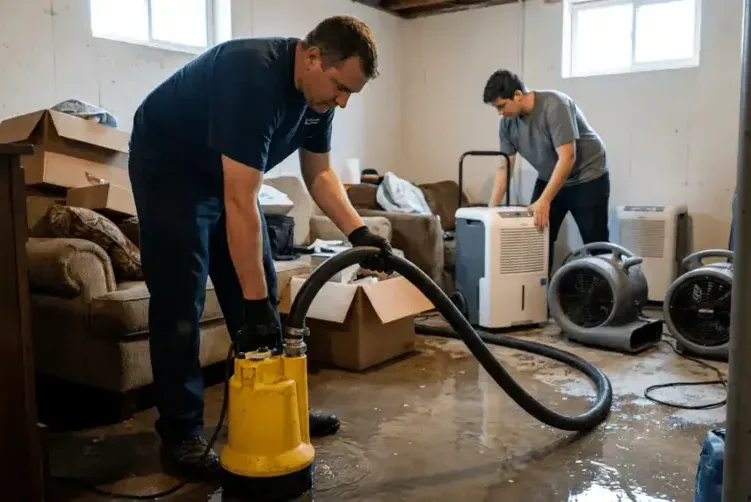
Extractors pull standing water from carpet, tile and subfloor, and soaked pad or drywall that cannot dry in place is cut out and bagged.
Set the drying equipment
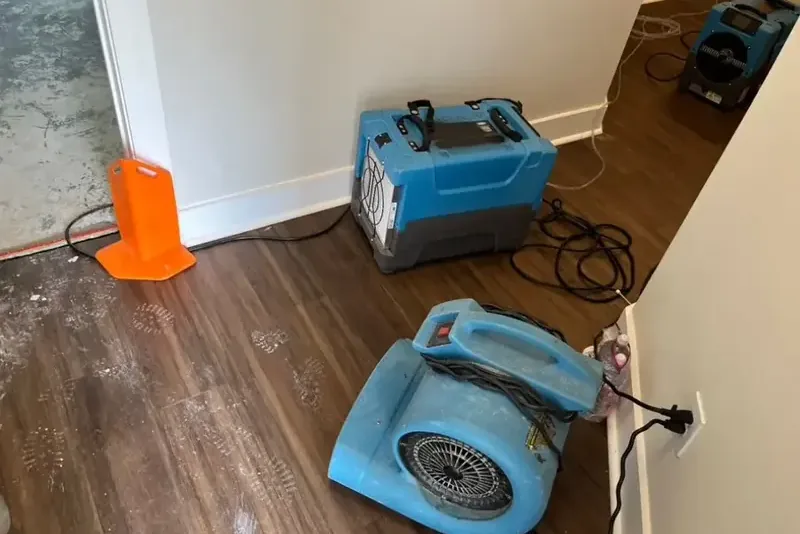
Air movers drive moisture off surfaces while LGR dehumidifiers pull it from the air, with placement adjusted as the readings change.
Confirm it is dry
Daily readings continue until walls and floors match dry reference points, and the final log goes into the claim file.
Three kinds of water, three different cleanup plans
Water damage service across Dunedin and nearby streets
Neighborhoods and roads
- Downtown Dunedin
- Baywood Shores
- Dunedin Isles
- Honeymoon Island
- Dunedin Causeway
- Edgewater Drive
- Douglas Avenue
- Louden Avenue
- Bayshore Boulevard
- Pinellas Trail
- Caladesi Island State Park
Not sure the address is covered? Ask when you call.
Local crews cover the whole city, from the blocks near St. Joseph Sound and the Intracoastal Waterway to the streets around downtown, so ask about any address.
Mention anything unusual about the building, such as a mobile home, a waterfront property or a second floor, so the right equipment is loaded first.
Dunedin, FL · [email protected]
What water damage cleanup costs in a typical home
Cost depends mostly on size, water category and how long materials stayed wet. A small clean water loss sits at the low end, while sewage or storm water across several rooms moves into the top tier.
Small clean water loss
$1,200 to $6,000- Water pulled out
- One or two rooms
- Light tear-out
Several rooms or gray water
$6,000 to $15,000- Flooring lifted
- Wet drywall cut out
- Dehumidifiers running days
Category 3 or storm water
$7,000 to $30,000+- Carpet and pad removed
- Drywall and insulation out
- Disinfection and long drying
These ranges describe typical local jobs and shift with the size of the loss. A written scope after the first moisture readings gives the actual figure.
Records that back up the claim
Adjusters want proof of what the water touched and how long it sat, so the team documents the loss before demolition starts and keeps records through the final reading.
- Dated photos and video of each wet room
- Moisture readings from the first visit onward
- Equipment placement notes and daily run logs
- An itemized list of removed or discarded materials
- Receipts for emergency repairs and temporary storage
Flood needs its own policy
Homeowners policies do not cover flood, and National Flood Insurance Program policies carry a 30 day waiting period. Pinellas County says everyone in the county is in a flood zone, so it helps to know which one applies.
The city holds a Class 5 rating in the Community Rating System, which the city says cuts flood insurance premiums by 25%.
What a professional dry-out looks like

Where water comes from around here
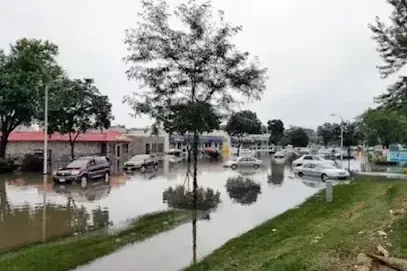
The stormwater system relies on pipes, catch basins and retention ponds, and the city monitors Curlew Creek, Cedar Creek, Jerry Branch, Clearwater Harbor and St. Joseph Sound. Pinellas County also says everyone in the county is in a flood zone, so a house does not need a waterfront to take on water.
- Coastal storm surge. The city described historic storm surge from Hurricane Helene in coastal and low-lying areas, with widespread flooding across the county.
- Creeks and ponds. A home can sit outside an evacuation zone and still be in a high risk flood zone because of a nearby stream or pond.
- Older Isles homes. Dunedin Isles has many homes from the 1950s and 1960s, and older construction can hide moisture in walls and floors until readings find it.
- Sewer backups. The city runs its own wastewater system with 43 lift stations, and owners are responsible for sewer pipes beyond the public right of way.
- Humid climate. Hot, humid summers keep air conditioners running, so condensate overflow is a common cause of ceiling and closet leaks.
August 2023: A city wide assessment after Hurricane Idalia found about 125 homes in town with some water intrusion, and Baywood Shores was significantly flooded, so collection trucks could not work there at first.
Water damage questions from local homeowners
How soon should drying start after a leak?
As soon as the water is stopped. Wet drywall and wood can start growing mold within 24 to 48 hours, so extraction and equipment placement go ahead of any repair work. The sooner the structure reads dry, the more flooring and trim stays in place.
Who is called first when a sewer backs up?
The city asks residents to call its Wastewater Division before a plumber, and it checks public areas for blockages at no charge. Skipping that call may affect reimbursement for work in the public right of way. A sewage cleanup crew then handles what the backup soiled indoors.
Does homeowners insurance pay for flood damage?
Sudden pipe and appliance leaks are usually a homeowners claim, while rising flood water falls under a separate flood policy. Either way, the adjuster decides, so photos and readings matter.
Can heavy rain alone flood a Dunedin home?
Yes. Rain that outruns pipes, catch basins and retention ponds can pool against doors and garages, and water that gets inside is treated as flood water, with the flooring and drywall it reached removed. Ground floor rooms usually take the worst of it.
How does the crew know the house is dry?
Moisture meters check drywall, framing and subfloor against dry reference readings taken on unaffected materials. Equipment stays until every reading reaches target, and the final numbers are logged. Appearance alone never decides it.
What should be photographed before cleanup?
Wet rooms, damaged belongings, the source of the leak and any model and serial labels on failed appliances. Photos taken before anything is moved give the adjuster a clear starting point.
How long does a typical dry-out take?
Most clean water losses take about three to five days, while dense materials such as concrete or thick framing need structural drying for longer. Daily readings decide when the equipment comes out.
Can furniture and belongings be saved?
Hard items like solid wood and metal usually clean up. Upholstery, mattresses and anything soaked by sewage or storm water is rarely worth keeping, and photos are taken before it is removed.
How can a slow leak be spotted early?
The EyeOnWater app gives city water customers real time use data and leak alerts. A rising bill, a musty smell or a soft spot in the floor are other signs to act on.
What do the cost ranges include?
Each range covers extraction, tear-out, drying equipment and daily monitoring for a typical job. Contaminated water, wet insulation or a long running leak pushes a job toward the top of its tier. The written scope after the first readings gives the real figure.
Water is already inside, so every extra day adds to the repair
Water that sits keeps spreading into framing and flooring. One call starts extraction and a drying plan built around the readings.
☎ (888) 621-2041Call for emergency drying