Water Damage Restoration Safety Harbor, FL
Water in the house is a clock. The restoration team in Safety Harbor extracts standing water, opens wet walls and floors, and dries the structure to S500 targets, with every reading logged for the insurer.
☎ (888) 621-2041Call the bayfront drying crew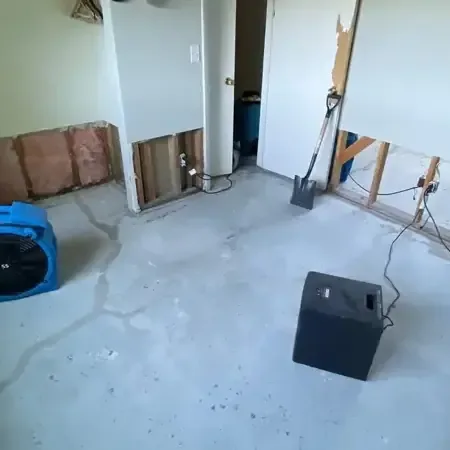
What to do while the water is still spreading
- Shut it off. Close the valve to the broken fixture, or the main shutoff, so nothing keeps feeding the leak.
- Mind the outlets. Keep out of rooms where water reaches outlets or drips from a ceiling light until the breaker is off.
- Take pictures. Photograph the wet floors, walls and damaged belongings before anything is moved, and note the time you noticed it.
Water damage services for Safety Harbor homes and shops
Every job starts with water removal and moisture mapping, then turns to the cause: a failed pipe, a storm leak, an overflowing drain or an appliance.
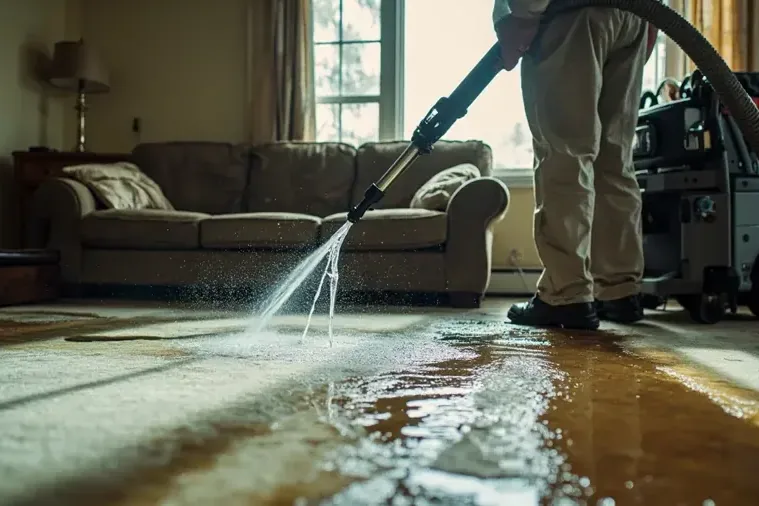
Water Extraction and Removal
Truck-mounted extractors pull standing water from carpet, tile and wood first, since storm water and burst pipes leave plenty behind.
See the service ›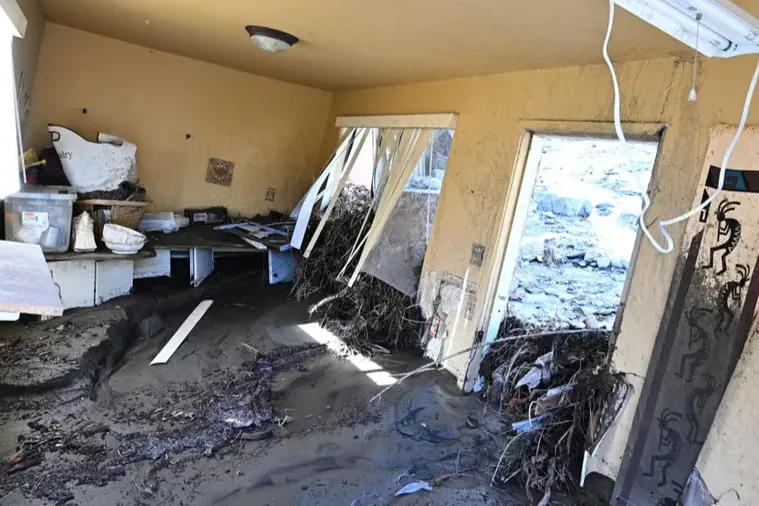
Flood Water Cleanup
Heavy rain can push mud and silt into a garage or ground floor. The crew clears it, cuts drywall above the wet mark and disinfects.
See the service ›Jobs the drying team takes
- S500 drying targets
- Extraction before drying
- Moisture maps first
- Daily readings
- Written scope for claims
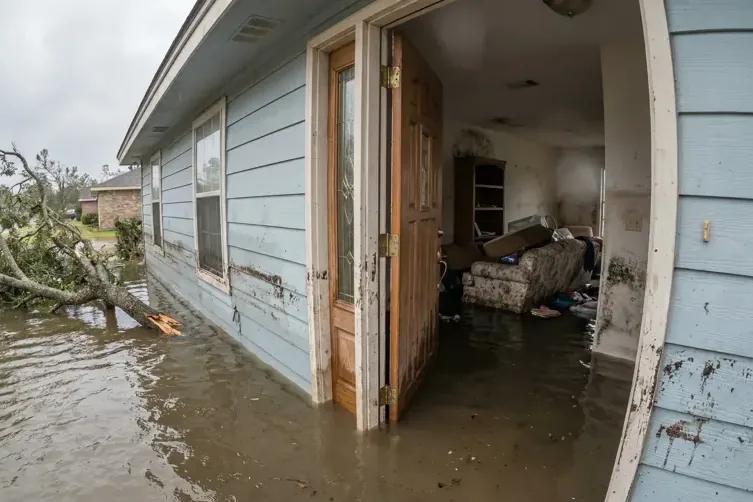
Hurricane and Storm Water Damage
Wind-driven rain reaches attics and ceilings during a named storm. The team opens wet ceilings, clears soaked insulation and dries rooms below.
See the service ›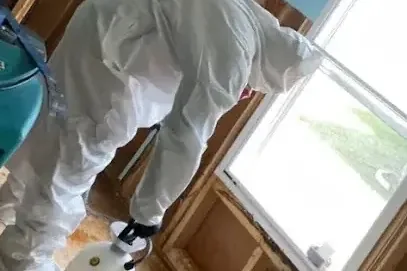
Sewage Backup Cleanup
Sewage is Category 3 water. The crew works in protective gear, removes porous materials it touched, disinfects and dries the structure.
See the service ›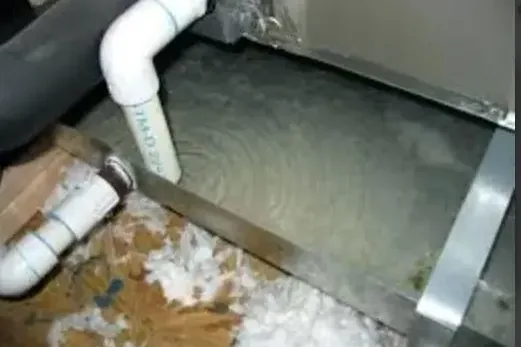
AC Leak Water Damage
A clogged condensate drain or cracked pan can soak a closet floor or attic ceiling. The team extracts, opens wet drywall and dries the cavity.
See the service ›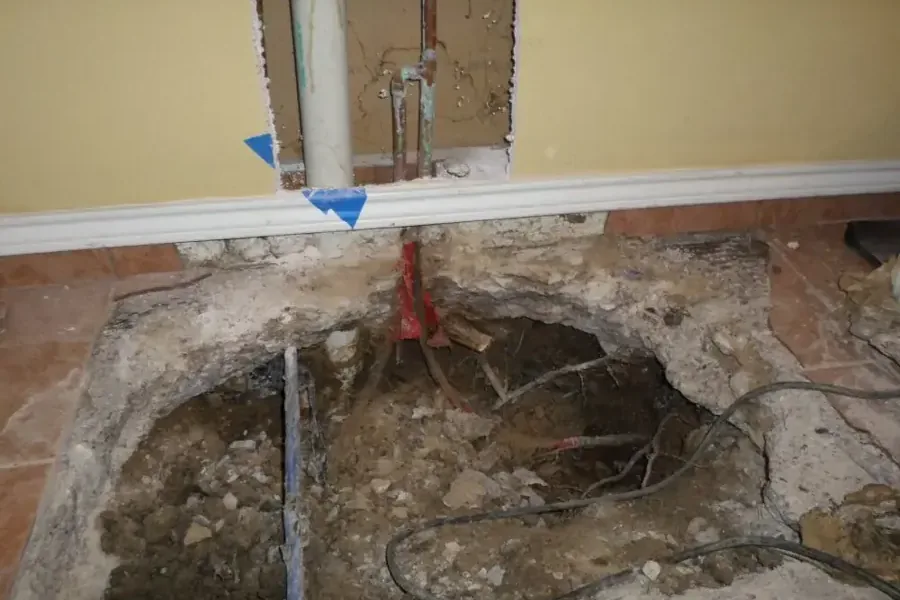
Slab Leak Water Damage
Water rising through a concrete floor dampens flooring across a room. Moisture checks trace the wet area, then the slab and wall bottoms are dried.
See the service ›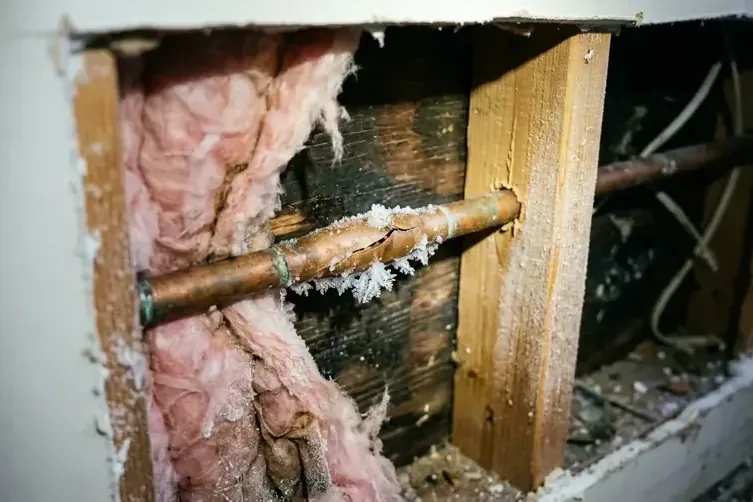
Burst Pipe Water Damage
A split supply pipe can empty a lot of water into a wall cavity or attic. The crew extracts it, opens the wall and dries every layer.
See the service ›Equipment on the truck
- Truck-mounted extractors
- LGR dehumidifiers
- Desiccant units
- Infrared cameras
- Hygrometers and probes
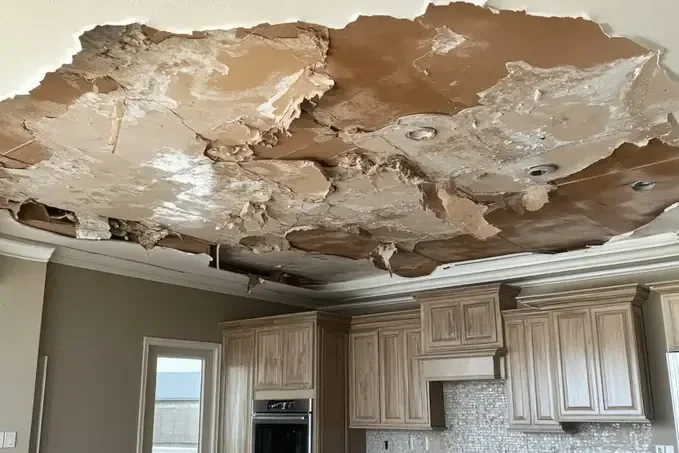
Roof Leak Water Damage
A lifted shingle or failed flashing lets rain into insulation and ceilings. The team removes wet material, dries the framing and protects the room until the roof is fixed.
See the service ›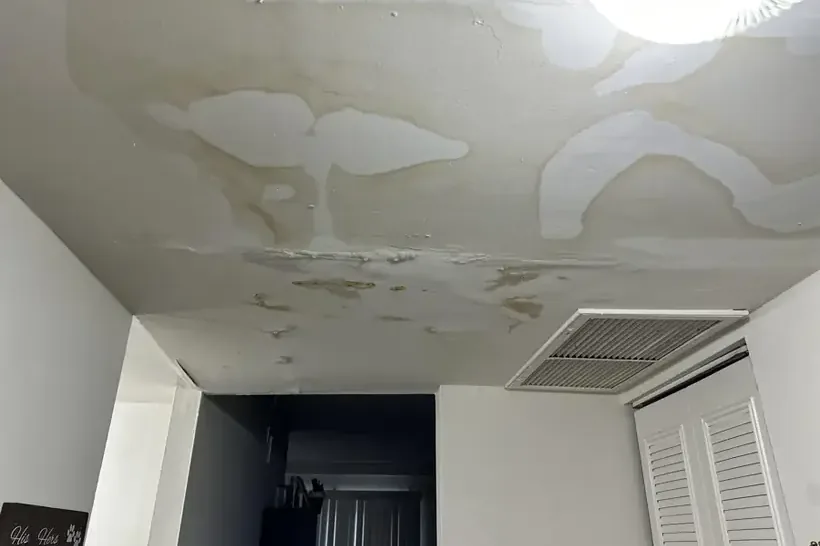
Ceiling Leak Water Damage
A brown stain or a sagging ceiling means water is sitting above it. The crew opens it, removes wet insulation and dries the joists.
See the service ›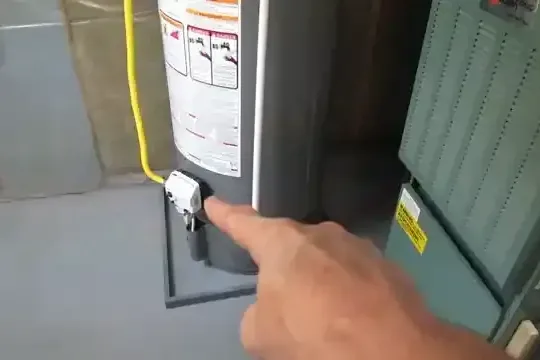
Water Heater Leak Cleanup
A tank that fails in a garage floods the slab, and one in a closet soaks carpet and baseboards. Extraction and drying follow once the supply valve is shut.
See the service ›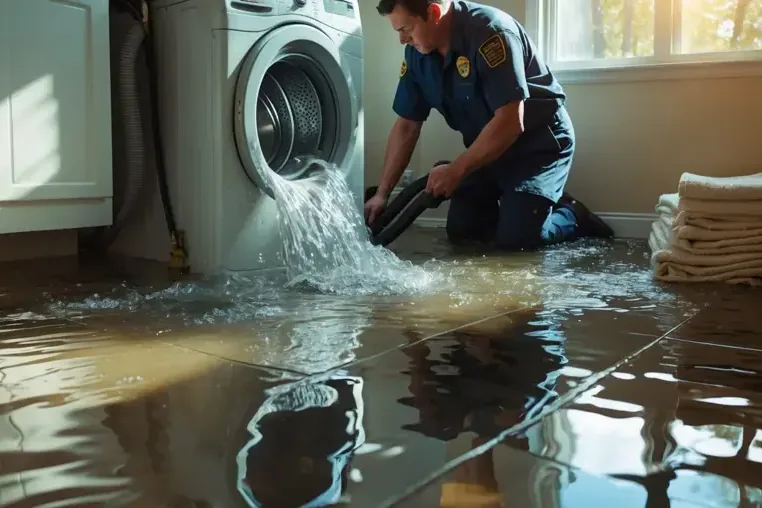
Appliance and Supply Hose Leaks
Dishwasher, washer, refrigerator and ice maker hoses leak behind cabinets and walls. The crew pulls toe kicks, extracts the water and dries the cavity and subfloor.
See the service ›Neighborhoods in town
- Downtown Safety Harbor
- Elm Street and Pine Street service area
- Waterfront Park
- Veterans Memorial Park
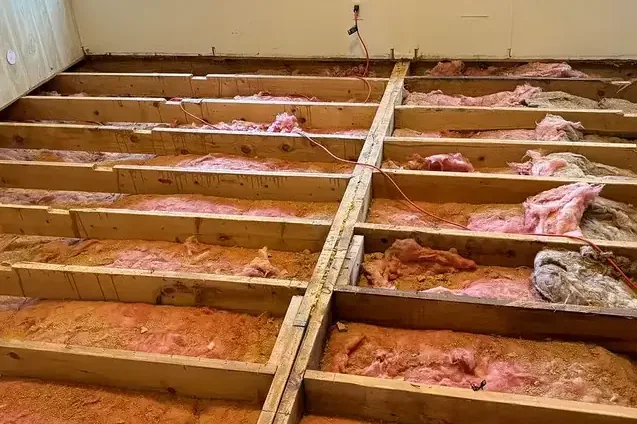
Mobile Home Water Damage
Particleboard floors swell fast, and the belly wrap can trap water under a mobile home. The team checks both and dries or replaces what has swollen.
See the service ›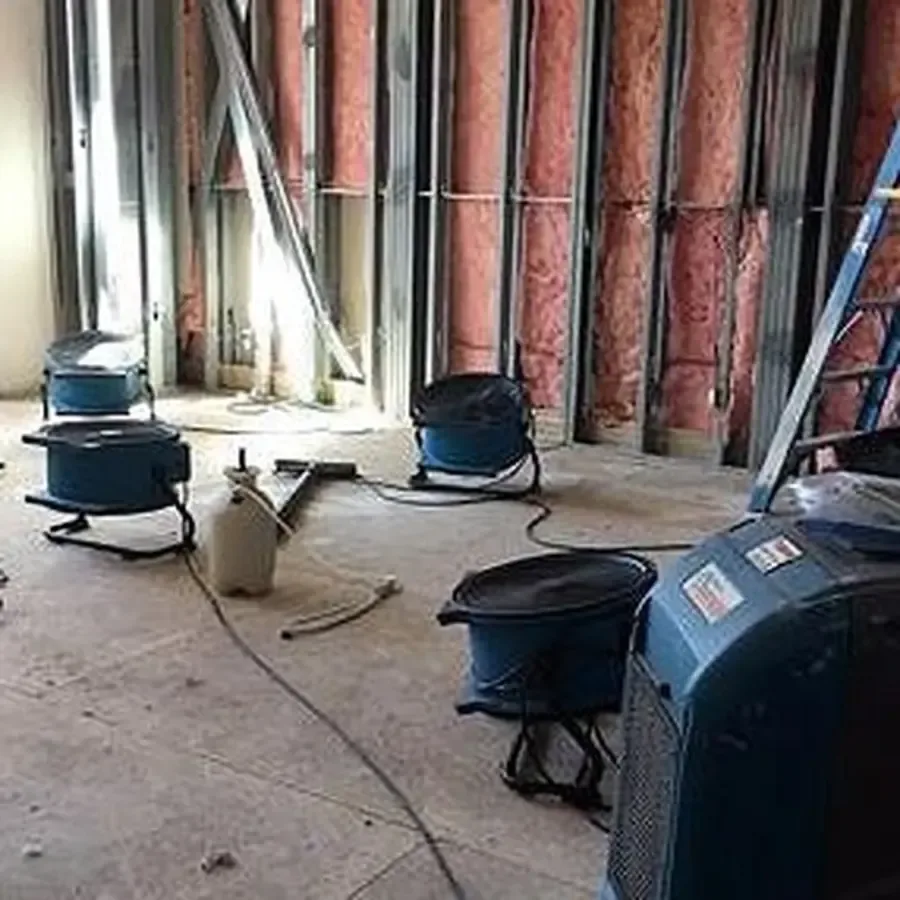
Structural Drying and Dehumidification
Once the water is out, LGR dehumidifiers, air movers and desiccant units pull moisture from framing, subfloors and concrete until the readings reach dry targets.
See the service ›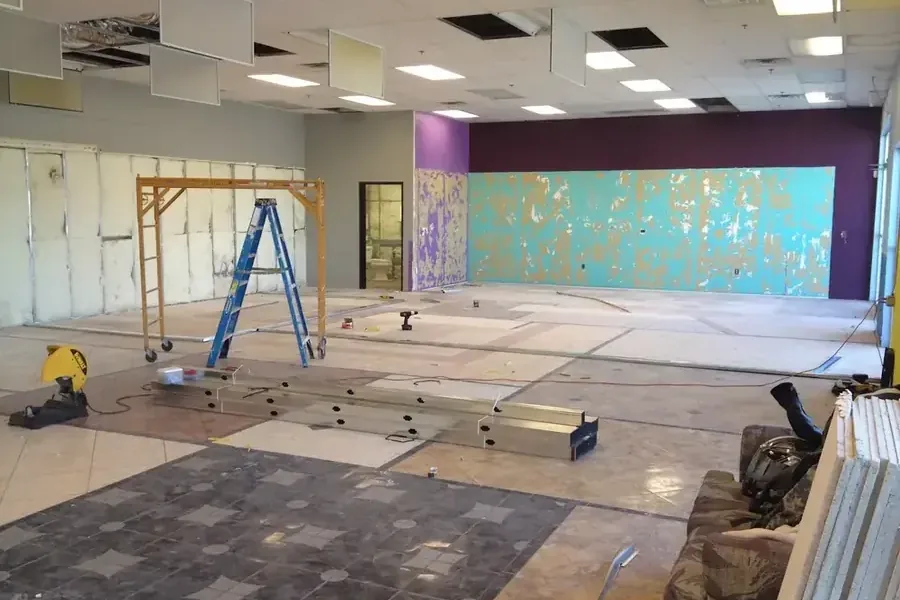
Commercial Water Damage
Shops, offices and restaurants need phased work. The crew extracts, removes wet ceiling tile and dries in stages so the business can reopen safely.
See the service ›A drying plan built around the property
The restoration team treats every loss as a measurement problem: find the wet material, remove what cannot dry, and prove the structure is dry.
Rapid local response
Dispatch runs around the clock, and the crew arrives with extractors, air movers and dehumidifiers already on the truck.
Equipment sized to the loss
Dehumidifier and air mover counts follow the wet square footage and the material class, not a standard package.
Claim-ready documentation
Photos, moisture maps and daily readings are saved as the job runs, so the adjuster sees what was wet and when it dried.
Water and sewage only
The crew does one thing, which is moving water out of homes and shops and drying what stays.
How a wet home gets measured, drained and dried
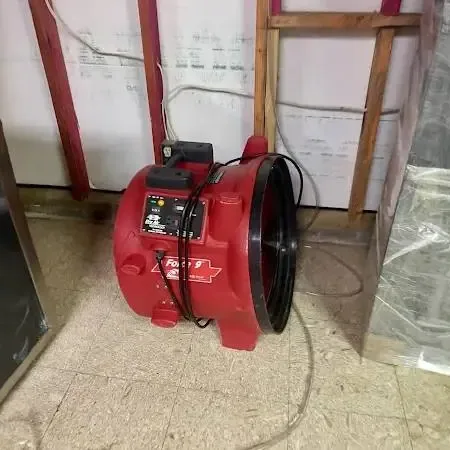
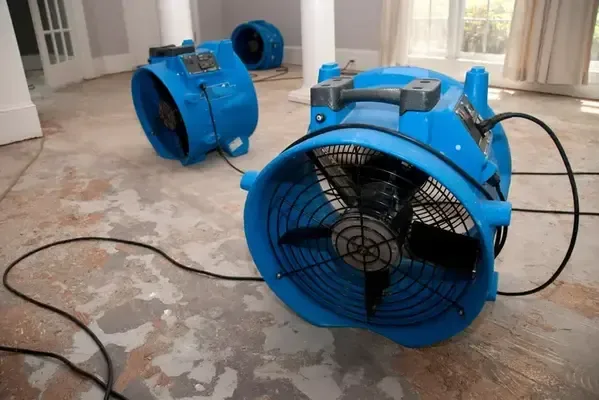
A dry-out is a sequence, not a pile of fans. Water comes out first, wet materials are sorted into keep and remove, and the equipment runs, adjusted every day, until the moisture readings match an unaffected reference room in the same house.
- Wet materials sorted first
- Equipment sized to the room
- Daily psychrometric records
Trace and measure
Moisture meters and an infrared camera find where water went, including wet insulation behind walls and under floors.
Pull the water
Truck-mounted and portable extractors remove standing water, then carpet and pad are lifted or removed where they cannot be saved.
Set the drying system
LGR dehumidifiers and air movers go in by room size, with desiccant units added for dense materials such as concrete.
Confirm dry
Readings are taken daily and the equipment is moved or removed as materials reach dry targets, then the final numbers are logged.
Clean, gray and black water get different treatment
Where the crew works across Safety Harbor
Neighborhoods and roads
- Downtown Safety Harbor
- Elm Street and Pine Street service area
- Waterfront Park
- Veterans Memorial Park
- Main Street
- Philippe Parkway
- South Bayshore Boulevard
- Railroad Avenue
- Jefferson Street
- Cedar Street
- Spruce Street
Outside the named streets? Ask about the address
The crew covers homes and shops across 34695, from the downtown blocks to the streets around Waterfront Park and Veterans Memorial Park.
If the address is not one of the named areas, describe the loss anyway, and the team will confirm whether it can reach the property.
Safety Harbor, FL · [email protected]
What water damage costs, from a small leak to a flooded floor
Most local losses run between $1,200 and $30,000. The final figure depends on how much water spread, which materials got wet, how quickly drying started and whether the water was clean or contaminated by sewage or flood.
Small clean-water loss
$1,200 to $6,000- One room or hallway
- Extraction plus drying
- Minimal tear-out
Several rooms or wet walls
$6,000 to $15,000- Two to four rooms
- Flooring and drywall cut
- Containment as needed
Sewage or flood water loss
$7,000 to $30,000+- Category 3 water
- Porous materials bagged
- Disinfection before drying
Ranges are typical, not quotes. Square footage, flooring type and whether walls were opened all move the number, and a moisture map after arrival shows what is really wet.
Records that support the claim
Adjusters pay on what they can verify, so the crew builds the file while the work happens: timestamps, photos, moisture readings and a scope that matches the loss.
- Dated photos of every wet room before work starts
- Moisture readings logged on every visit
- Itemized list of materials removed and their sizes
- Equipment placed, with run days recorded for each unit
- Cause and category of the water written down
What owners can do first
Before anyone arrives, take video of the water source, the damaged contents and the wet areas, and keep any damaged items that are safe to hold until the adjuster has seen them or approved their disposal.
Coverage for sudden pipe and appliance failures differs from flood coverage, so read the declarations page and ask the carrier which one applies.
What a dry-out looks like in progress

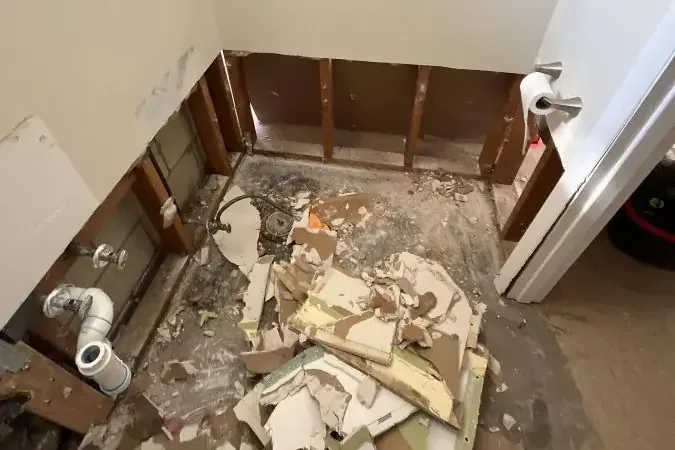
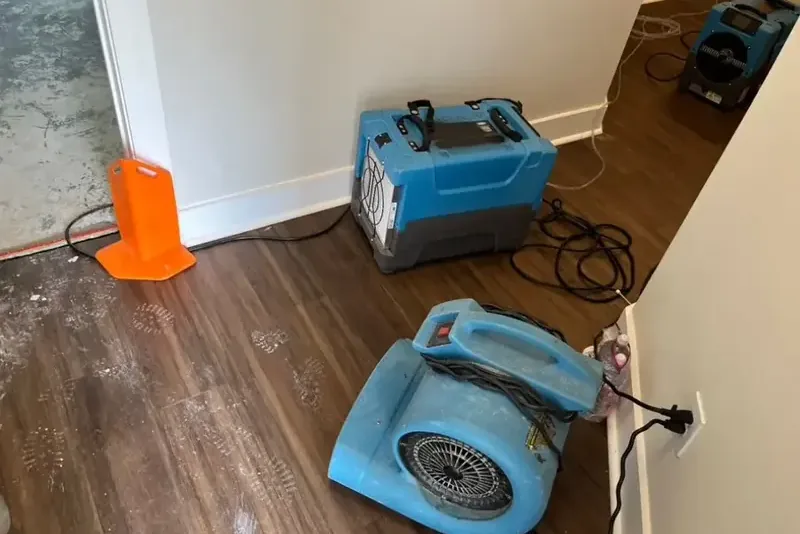
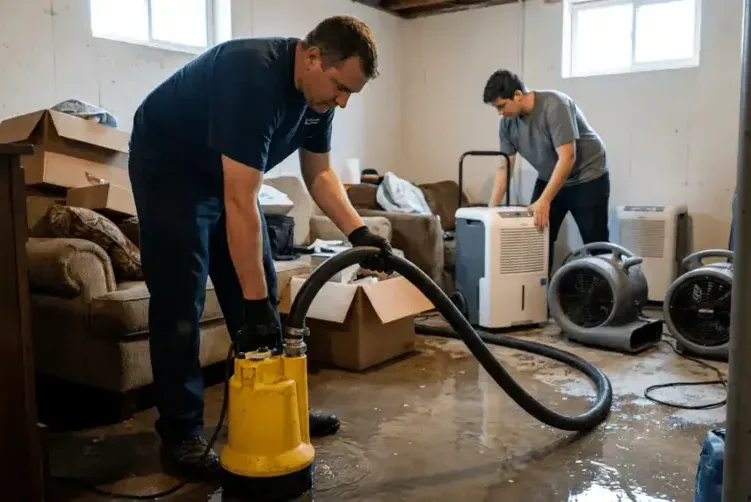
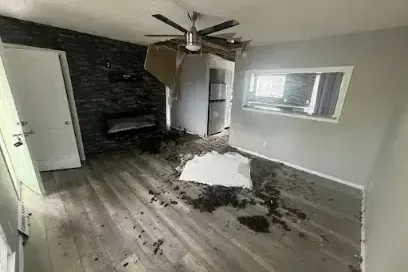
Where local water trouble comes from
Safety Harbor sits on the Old Tampa Bay shore, with creeks and small lakes draining toward the water. Homes here deal with storm water from outside and plumbing failures from inside, and the two need different handling. Knowing which one caused the loss decides how much material comes out and whether the water counts as clean or contaminated.
- Low ground by the bay. Land in the Alligator Creek Watershed drops from about 93 feet in the north to about 4 feet near the bay.
- Creeks and lakes. Alligator Creek feeds Alligator Lake, which empties into the bay, and the U.S. Army Corps of Engineers links creek flow to erosion.
- A bigger floodplain map. A preliminary FEMA map for the watershed shows roughly 1,390 acres in the 100-year floodplain, against about 975 acres on older maps.
- Street work underway. A city contract approved April 7, 2025 replaces water and sewer infrastructure along Elm Street, Pine Street, Spruce Street and Cedar Street.
- Slow leaks at home alone. In 2020, about 29.2 percent of local households were one person living alone, so a hidden leak can go unnoticed for a while.
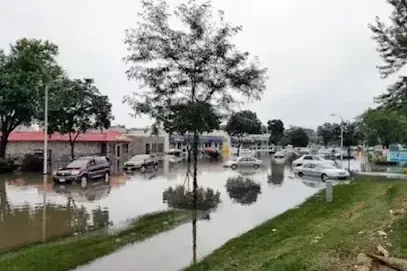
August 30, 2023: After Hurricane Idalia, flood waters covered Waterfront Park next to the pier, a clear example of how fast ground near the bay can fill when a named storm pushes water ashore.
Water damage questions homeowners ask
How soon does a wet house need drying?
Mold can start within 24 to 48 hours on wet drywall and wood, so water extraction and drying should begin as soon as the leak is stopped. Pad and drywall are the first materials to turn, so the crew pulls them early.
What does restoration usually cost here?
A small clean-water loss often runs $1,200 to $6,000, several wet rooms $6,000 to $15,000, and contaminated or flood water $7,000 to $30,000 or more. Contaminated water costs more because porous materials are removed and disposed of.
Does homeowners insurance pay for water damage?
Sudden pipe bursts and appliance failures are often covered, but rising flood water usually needs a separate flood policy. The adjuster decides, so file the claim early, keep every record and ask the carrier to explain any denial in writing.
Who handles a sewer backup, the city or the owner?
The owner is responsible for inside plumbing and the service pipe up to the city's lateral. The city asks owners to call Public Works before a plumber, since it cannot reimburse a plumber called first. For an overflowing manhole or a lift station alarm, the city says to call Public Works, or City Hall after hours. Cleanup starts with sewage backup cleanup once the backup has stopped.
Do repairs like a new roof or water heater need a permit?
The city lists roofing, water heaters, air conditioning, windows and doors, gas and electric on its permit list under the Florida Building Code and the Land Development Code. The repair contractor handles that; the restoration team extracts and dries.
Will a floodplain map change affect my coverage?
FEMA's new preliminary map for the Alligator Creek Watershed may change flood insurance requirements once adopted, which matters after any flood water cleanup, and owners may qualify for a Newly Mapped discount when they buy or renew within 12 months of the update. The Building Department gives out flood zone information.
Can wet carpet and padding be saved?
Carpet soaked by clean water can often be dried in place if the pad is lifted early. Gray or black water means carpet and pad go, because they hold contamination that cleaning cannot remove, and the pad is the first thing the crew checks.
How does the team know the structure is dry?
Moisture meters read the framing, drywall and subfloor on each visit of structural drying, and the numbers are compared with an unaffected area. Daily logs record temperature and humidity as well. Equipment stays until the readings match.
Does the crew work in shops and restaurants downtown?
Yes. Downtown shops, restaurants and offices get phased drying, after-hours work where needed and ceiling tile and drywall removal, so the doors can reopen sooner.
What should be documented after a storm?
Date-stamped photos of every wet area, the source of the water, damaged contents and any temporary repairs such as a tarp. Keep receipts for emergency work as well, since the adjuster may ask for them.
Standing water keeps spreading until someone removes it
The drying team will map the damage, explain the plan and start the extraction that protects floors, walls and belongings.
☎ (888) 621-2041Put the drying team on it