Hurricane and Storm Water Damage in Pinellas Park, FL
A tropical storm drives rain through roof decks, window frames and sliding doors for hours. The storm response team extracts the water, opens wet ceilings and walls and dries the house once it is safe to work.
☎ (888) 621-2041Storm got inside? Call the response team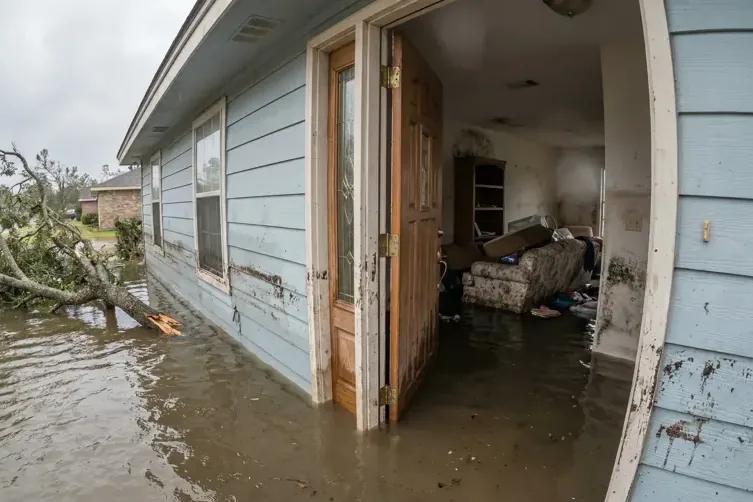
First steps for hurricane and storm water damage
- Wait until it is safe. Stay inside until the storm passes and officials clear travel; never enter a room with a sagging ceiling.
- Tarp what you can. Once the wind drops, cover broken windows or roof openings with a tarp if it is safe from the ground.
- Catch and move. Put buckets under drips, move furniture and electronics away from wet walls and ceilings.
- Record the storm damage. Photograph the roof, windows and every wet ceiling and wall, with the date, before cleanup.
Hurricane season runs from June 1 to November 30, and most storm water damage here comes from rain, not surge. Wind pushes rain sideways for hours, so it gets past shingles, under a lifted roof deck, around window frames and through the tracks of sliding glass doors. The water lands in the attic insulation and the ceilings first, then runs down the inside of walls.
What does hurricane and storm water damage cost in Pinellas Park, FL?
In Pinellas Park, hurricane and storm water damage cleanup typically runs $3,000 to $20,000, depending on how many ceilings got wet, how much attic insulation and drywall comes out and how long the house sat wet.
One room or one ceiling
$3,000 to $6,000- Ceiling drywall opened
- Wet insulation out
- Room dried
Several rooms
$6,000 to $12,000- Multiple ceilings and walls
- Flooring dried or lifted
- LGR dehumidifiers
Whole-house storm loss
$12,000 to $20,000+- Attic and ceilings throughout
- Wall cavities opened
- Long dry-out
Ranges are typical, not a quote: the category of water, square footage, material class and how fast drying started move the number most. Run the water damage cost calculator for a closer range.
How hurricane and storm water damage is handled, step by step
Check the structure
The tech who does the walkthrough checks sagging ceilings, wet electrical and roof openings before anyone works below.
Extract and protect
The extraction crew pulls standing water and covers furniture and floors from further drips.
Open wet ceilings
The crew removes soaked ceiling drywall and attic insulation so the framing above can dry.
Dry and record
The drying team runs air movers and dehumidifiers, on generator or grid power, and logs readings daily.
Where storm water gets in
- Missing shingles, lifted flashing and damaged roof vents
- Window frames and sliding door tracks under sustained wind
- Soffit vents, where wind blows rain straight into the attic
- Fallen trees and limbs that break the roof deck
A roof that leaked once in a storm often leaks again, so the roof leak water damage page covers the attic and roof side in more detail.
Power outages change the job
Air movers and dehumidifiers need power, and a hurricane can leave neighborhoods dark for days. The response team extracts standing water and removes soaked ceiling drywall and insulation first, because that work needs little power and limits the damage. Drying equipment runs on generators where it is safe or starts as soon as the grid is back. The Ready.gov hurricane guide covers generator safety and what to do before a storm.
The hurricane deductible and the claim file
Florida homeowners policies carry a separate hurricane deductible for named storms, often a percentage of the dwelling coverage. The mitigation team builds a file with photos of the entry points, moisture maps, daily readings and a line-item scope. The National Hurricane Center record of the storm's name and dates helps tie the loss to the event. Flood water that rises from outside belongs to a separate claim; see flood water cleanup.
Hurricane and storm water damage across Pinellas Park and nearby
Coverage takes in ZIP 33780, 33781 and 33782: Downtown and Park Boulevard, The Mainlands, Bonnie Bay, Autumn Run, Park Place, the US 19 and 49th Street corridors and the homes around Freedom Lake Park.
Nearby coverage reaches Seminole, Largo, Kenneth City, Lealman, St. Petersburg, Clearwater, Feather Sound.
Related water damage services
Hurricane and Storm Water Damage questions
Should wet ceiling drywall be opened after a storm?
Usually yes. Drywall holding water gets heavy and can fall, and wet insulation above it keeps the ceiling wet for weeks. The crew cuts out the soaked section so the joists and attic can dry.
What is a hurricane deductible?
It is a separate deductible on Florida homeowners policies that applies to damage from a named storm, often a percentage of the dwelling coverage. Coverage depends on your policy, so check the declarations page or ask your own insurer.
Can drying start while the power is out?
Extraction and removal of wet materials can start without grid power. Air movers and dehumidifiers need power, so they run on a generator where it is safe or start once the power is back.
Is storm rain the same as flood water?
No. Rain driven in through a roof or window is usually clean or gray water. Water that rises from outside is Category 3 flood water with its own coverage; see flood water cleanup.
How long does storm water damage take to dry?
Most homes dry in four to eight days once wet ceilings and insulation are out. Drying waits on power after a big storm, and humid air slows it, which is why dehumidifiers run with the air movers.
What does storm water damage cleanup cost?
Most jobs run $3,000 to $20,000 depending on the ceilings and rooms involved. The cost calculator gives a typical range.
Hurricane rain got inside? Start the storm dry-out.
Wet ceilings and insulation keep soaking the framing until they come out. The crew opens what is wet and dries the house.
☎ (888) 621-2041Start the storm dry-out