Flood Water Cleanup in Pinellas Park, FL
When a cloudburst or a storm overwhelms the canals and street drains, water rises into garages and living rooms. The mitigation team treats it as Category 3, removes what it touched and dries the house out.
☎ (888) 621-2041Flood water inside? Call for cleanup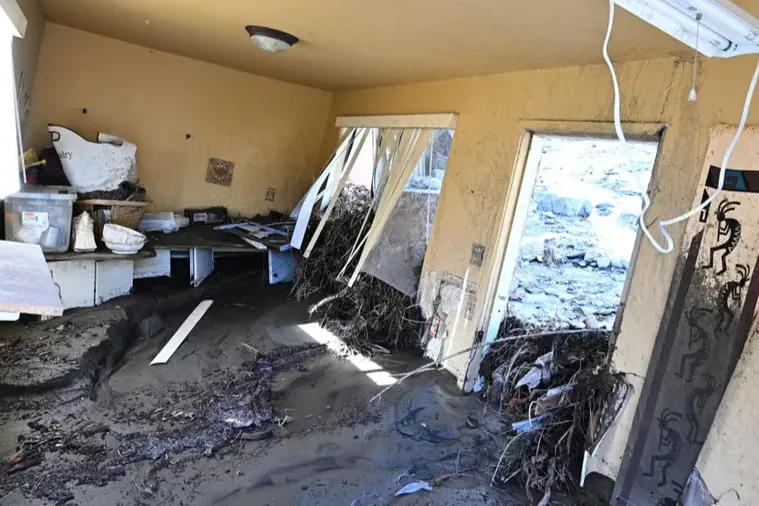
First steps for flood water cleanup
- Stay out of the water. Do not wade through flood water inside; it can hide sewage, sharp debris and live electrical outlets.
- Shut off the power. Turn the main breaker off only if the panel is dry and you can reach it without standing in water.
- Photograph the high-water mark. Take photos of the water level on walls, doors and furniture before it drains away.
- Toss what spoiled. Throw out food, medicine and baby items the water touched, and keep a list for the claim.
Flood water is water that enters from outside: a street that fills in a summer downpour, a canal that backs up, or rain that runs off a yard into a garage and under the door. It picks up soil, lawn chemicals, fuel and sewage on the way in, so it counts as Category 3 the moment it crosses the threshold. That rule changes the whole job, from what the crew wears to what can stay in the house.
What does flood water cleanup cost in Pinellas Park, FL?
In Pinellas Park, flood water cleanup typically runs $4,000 to $25,000, depending on how high the water rose, how many rooms it reached and how much drywall, flooring and insulation has to come out.
Garage or one room
$4,000 to $8,000- Mud and water out
- Drywall cut low
- Antimicrobial and drying
Several rooms
$8,000 to $16,000- Flooring removed
- Drywall and insulation out
- Containment
Whole ground floor
$16,000 to $25,000+- Full tear-out to the high-water mark
- Contents removed
- Long dry-out
Ranges are typical, not a quote: the category of water, square footage, material class and how fast drying started move the number most. Run the water damage cost calculator for a closer range.
How flood water cleanup is handled, step by step
Make it safe
The response team checks for electrical hazards, sets containment and puts on PPE before work starts.
Extract and muck out
The extraction crew pumps the water, then shovels mud and debris out of every wet room.
Remove and clean
The crew cuts porous materials above the high-water mark and cleans framing and slab with an antimicrobial.
Dry and verify
The drying team runs air movers and dehumidifiers until readings reach the dry reference, then documents it.
Why water rises here
The city sits on flat, low ground that was marsh before canals were cut along Cross Bayou and Joe's Creek. The drainage channels carry most storms away, but a slow storm in the June to September rainy season, or a tropical system that stalls, can drop rain faster than the system drains it.
- Garages and family rooms built at or near the driveway grade take water first
- Low lots near canals and retention ponds hold water longest
- Manufactured homes take water into the belly and floor even when it never reaches the carpet
What gets removed
Porous materials that flood water touched get removed, not dried. The restoration team cuts drywall well above the high-water mark, pulls wet insulation, carpet and pad, and bags anything that cannot be cleaned. Hard surfaces, framing and concrete get cleaned, treated with an EPA-registered antimicrobial and dried. The Ready.gov flood page covers staying safe around flood water before the crew arrives.
Flood coverage is separate
A standard homeowners policy usually excludes rising water from outside. That cost falls under a flood policy, often through the National Flood Insurance Program. The mitigation team documents the high-water mark, the category and every removed item so the file works with either claim. Wind-driven rain through a damaged roof is a different loss, covered on the hurricane and storm water damage page.
Flood water cleanup across Pinellas Park and nearby
Coverage takes in ZIP 33780, 33781 and 33782: Downtown and Park Boulevard, The Mainlands, Bonnie Bay, Autumn Run, Park Place, the US 19 and 49th Street corridors and the homes around Freedom Lake Park.
Nearby coverage reaches Seminole, Largo, Kenneth City, Lealman, St. Petersburg, Clearwater, Feather Sound.
Related water damage services
Flood Water Cleanup questions
Is flood water really that dangerous?
Yes. Water that comes in from outside picks up sewage, soil, fuel and lawn chemicals, so the industry treats it as Category 3. Skin contact and breathing the dust from dried mud both carry risk, which is why the crew wears PPE.
Can drywall that got flood water be dried and kept?
No. Drywall and insulation touched by Category 3 water get cut out, usually a foot or more above the high-water mark. Framing and concrete stay, get cleaned with an antimicrobial and dry in place.
Does homeowners insurance pay for flood cleanup?
Rising water from outside is usually excluded from a homeowners policy and covered by a separate flood policy. Coverage depends on your policy, so check with your own insurer and your flood carrier.
How long does a flooded house take to dry?
After removal of wet materials, most rooms dry in five to ten days. Block walls and slabs hold water longer, and summer humidity slows drying, so the drying team decides by readings, not by the calendar.
What is the difference between flood water and storm water damage?
Flood water rises from the ground and comes in under doors. Storm water damage is rain driven in through a damaged roof, window or slider. The two are handled and covered differently; see hurricane and storm water damage.
What does flood cleanup cost?
Most jobs run $4,000 to $25,000 depending on the water height and the rooms involved. The cost calculator gives a typical range for your situation.
Flood water came inside? Get the cleanup moving.
Water from outside is Category 3 from the start. The crew removes what it touched, cleans what stays and dries the house.
☎ (888) 621-2041Book flood cleanup now