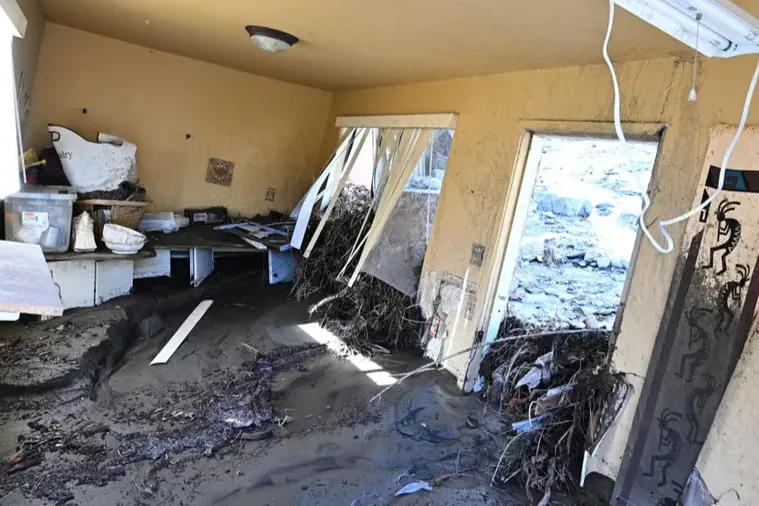
Storm surge is Gulf or bay water pushed onto land by a hurricane. When it enters a house in Clearwater Beach or Island Estates, it brings salt, mud and debris with it, and it is handled as flood water rather than rain water.
Key takeaways
- Surge water is salty, dirty and full of debris, so it is cleaned up as Category 3 flood water.
- Hurricane Idalia brought a 4.8 foot surge on August 30, 2023, and Helene's surge was about 6 feet on September 26, 2024.
- Island Estates was built by dredge and fill between 1957 and 1969, and nearly every property is on the water.
- Seawall, dock and piling condition belongs in the photos after a storm, along with the house.
- Flood zones and evacuation zones are different measures, so a home outside one can still sit in the other.
What surge water does inside a house
Rain water that leaks through a roof is fairly clean. Surge water is different, because it is Gulf or bay water that has crossed streets, yards and seawalls before it reaches a door.
It carries salt, silt, fuel, debris and often sewage, and it sits at floor level where it soaks into everything porous.
Even a few inches at the floor is enough to soak flooring, baseboards and the bottoms of walls, and wicking carries the moisture higher than the visible mark.
- Salt left in drywall and framing keeps materials damp and can corrode fasteners and metal.
- Mud and silt settle into carpet, cabinet bases and wall cavities.
- Debris and contaminated water make the whole job Category 3.
- Doors, garage openings and sliders are the usual entry points.
Idalia and Helene on the coast
Hurricane Idalia brought a surge of 4.8 feet to Clearwater Beach on August 30, 2023.
On September 26, 2024, during Hurricane Helene, Tampa Bay Times coverage reported a surge of about 6 feet at Clearwater, breaking the old record by almost 2 feet.
A surge number is not the same as the depth inside a house, but it shows how much water the coast was handed. Two surges about a year apart explain why coastal owners plan for water at the door, not only rain from above.
Island Estates: nearly every home is on the water
Island Estates covers about 210 acres of islands and peninsulas made by dredge and fill between 1957 and 1969. It sits between the beach and downtown.
Nearly every property there is on the water. Single family homes, many with docks on seawalls, share the area with condominiums that range from duplexes to multi story buildings.
The city's own plan counts over 600 platted properties and over 3,200 residents, and it notes structurally damaged seawalls, docks and pilings.
The beach itself is part of the city but sits on a separate barrier island on the Gulf, reached by a causeway that is part of State Road 60.
For owners of waterfront homes the shoreline is part of the house's protection, so a failing seawall or dock is worth noting when the cleanup records are made.
- Photograph the seawall, dock and pilings along with the house.
- Note any water marks on exterior walls and inside rooms.
- Keep the shoreline side of the property in the records, because that is where the water came from.
The first day after surge water
Wind and surge often arrive together, which is why hurricane and storm water damage work includes wet ceilings as well as wet floors.
In a condominium building, water can move between units and into shared spaces, so the first photos should include common areas and the building's own shutoff points.
- Wait until officials say the area is safe to return.
- Shut off power to flooded areas at the panel if it can be done safely.
- Photograph high water marks on the walls and the contents before moving them.
- Lift small valuables and papers off wet floors.
- Do not run household vacuums on wet floors.
How surge water cleanup works
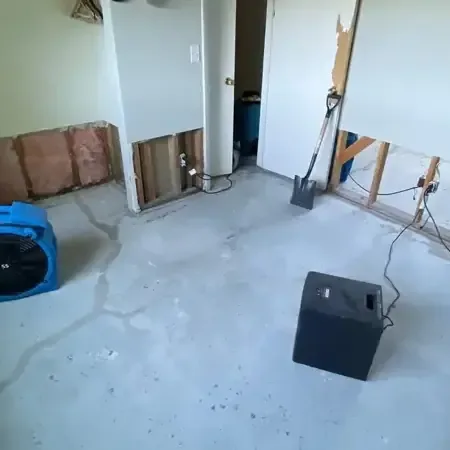
Flood water cleanup starts with extraction. The extraction crew pulls standing water with truck mounted and portable units, then removes carpet, pad and wet drywall.
Salt and mud are cleaned from hard surfaces, and the structure is treated and dried. Air movers and dehumidifiers run until moisture readings reach the dry goal.
Extraction keeps the rest of the job smaller, and water extraction continues until the floor is no longer holding standing water.
Cabinets, appliances and furniture that sat in salt water may need to be removed. Electrical and air conditioning equipment at floor level should be checked by a qualified technician before it is switched on.
- Standing water is extracted first.
- Carpet, pad, wet drywall and insulation are removed.
- Salt and mud are cleaned from the hard surfaces that stay.
- The structure is dried with daily moisture readings until it reaches the dry goal.
Flood zones, evacuation zones and the city's map
The city runs an interactive flood zone map. It shows base flood elevation, design flood elevation, elevation certificates and substantial improvement and substantial damage history for individual properties.
The city says flood zones and evacuation zones are different, and that it has adopted elevation standards higher than the federal minimum. Owners planning repairs can look up their own property before choosing a scope.
Reading the map is not required to start cleanup. Extraction and drying should begin first, and the map lookup can follow.
Local water damage restoration teams work from the same photos and moisture records that the map lookup supports.
- A flood zone describes flood risk, and an evacuation zone describes when to leave.
- The map shows records for individual properties, not whole neighborhoods.
How to plan repairs after surge water
Repairs go better when the cleanup leaves a clear trail. The drying records show which rooms reached a dry goal and which materials were removed.
With that trail in hand, an owner can talk to a builder about the scope without guessing what is behind each wall.
- Keep the moisture readings from the drying visits.
- Keep a list of the materials that were removed from each room.
- Ask the builder to confirm that the structure reads dry before closing walls.
Questions
Is storm surge water considered contaminated?
Yes. Surge picks up soil, fuel, debris and sewage on the way in, so it is cleaned as Category 3 flood water.
Why does salt water need special attention?
Salt stays in porous materials and holds moisture, which slows drying and can corrode metal. Removing soaked porous materials and cleaning hard surfaces reduces what is left behind.
Can a home that took surge water be dried without removing drywall?
Rarely. Drywall and insulation that sat in surge water are usually cut out above the wet mark so the cavity can be cleaned and dried.
Does a home outside an evacuation zone still need a flood check?
Yes. The city says flood zones and evacuation zones are different measures, so a home can be outside one and still sit in the other.
What should be photographed before cleanup?
High water marks, damaged contents, the seawall and dock if there is one, and every wet room. Take wide shots and close shots.
How long does a surge home take to dry?
It depends on how much water entered and which materials soaked it up. Daily readings decide when the equipment can come out, and salt in porous materials can add time.