Flood Water Cleanup in Clearwater, FL
Surge and heavy rain leave mud, silt and contaminated water on ground floors. The cleanup crew removes the water, strips every wet material to the high-water mark and dries the framing that stays.
☎ (888) 621-2041Call about flood water in your home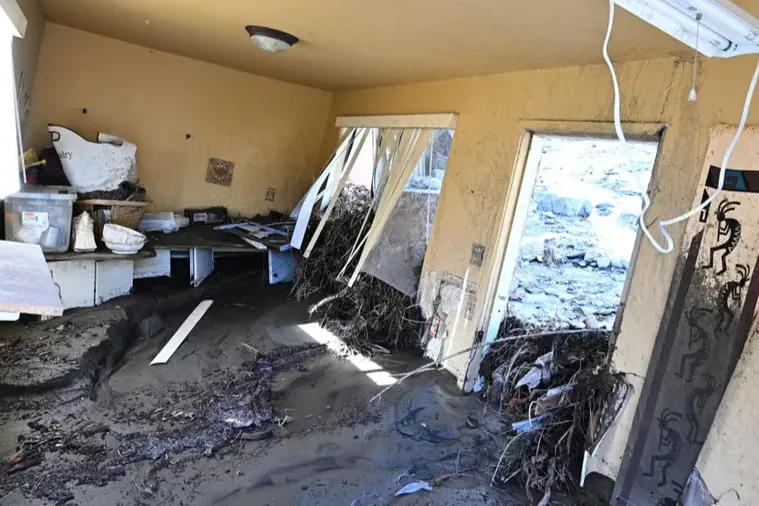
First steps for flood water cleanup
- Stay out of the water. Flood water can carry sewage and hide live outlets, so keep people and pets away until the power to the area is off.
- Switch off power at the panel. Only from a dry spot, and never while standing in water or touching a wet panel.
- Lift valuables up. Raise electronics, documents and small furniture onto upper shelves or counters.
- Record the high-water mark. Photograph the stain height on walls and any items that floated, before cleanup begins.
Flood water reaches a ground floor in a few ways: surge pushed in from the Gulf and the harbor, tide-driven water, and rain heavy enough to overwhelm drains. Whatever the route, the cleanup treats it as contaminated and removes it completely.
What does flood water cleanup cost in Clearwater, FL?
A flooded garage or single room often runs $4,000 to $8,000, and a whole ground floor can pass $25,000. Depth, how long the water stayed and any sewage content drive the total.
Garage or one room
$4,000 to $8,000- Mud and water removed
- Low drywall cut
- Antimicrobial, then drying
Several rooms
$8,000 to $16,000- Flooring stripped out
- Insulation and drywall cut
- Containment set up
Whole ground floor
$16,000 to $25,000+- Tear-out to the wet mark
- Contents moved out
- Long structural dry-out
Ranges are typical, not a quote: the category of water, square footage, material class and how fast drying started move the number most. Run the water damage cost calculator for a closer range.
How flood water cleanup is handled, step by step
Make it safe
Power is isolated, hazards are marked and protective gear goes on before anyone enters the wet area.
Remove water and mud
Pumps, extractors and shovels clear the floor, and silt is washed from slabs and framing.
Cut and clear
Flooring, insulation and low drywall come out above the highest moisture reading, with debris bagged for removal.
Clean and dry
Surfaces get antimicrobial treatment and the structure dries under dehumidifiers until readings reach the goal.
Removal to the high-water mark
Drywall wicks water well above the visible stain, so the crew cuts above the highest moisture reading rather than the stain alone.
- Flooring, pad and baseboards come out of every wet room.
- Wet insulation is pulled and bagged.
- Mud and silt are shoveled and washed from slabs and framing.
- Cabinet bases and appliances at floor level are checked for soaked parts.
Why flood water is treated as black water
Surge and street flooding mix with sewage, soil, fuel and debris on the way in, so the S500 standard classes it as Category 3. Idalia's 4.8 foot surge at the beach in 2023 and Helene's surge near 6 feet in 2024, as reported by the Tampa Bay Times, are reminders of how much water the Gulf can push ashore. Water that deep is pumped and extracted first, as covered under water extraction.
Islands and bluffs
Island Estates covers about 210 acres of islands and peninsulas built by dredge and fill, with nearly every property on the water, so tide and surge are the water to plan for there. Harbor Oaks sits on a bluff overlooking Clearwater Harbor, and homes there still face heavy rain, roof leaks and plumbing failures like anywhere else.
Contents and belongings
Hard items such as wood furniture and some appliances can be cleaned and dried on site. Soft goods that sat in flood water, including mattresses and upholstery, are bagged for disposal after being photographed for the claim. The structure itself then moves into structural drying.
Flood water cleanup across Clearwater and nearby
Flood cleanup runs across the city, from Island Estates at the water's edge and Harbor Oaks above the harbor to Countryside and North Greenwood inland, plus Sand Key and the homes along McMullen Booth Road.
The same service nearby: flood water cleanup in Pinellas Park, Dunedin, Safety Harbor.
Related water damage services in Clearwater
Flood Water Cleanup questions
Is all flood water treated as contaminated?
Flood and surge water is treated as Category 3 because it picks up sewage, soil and chemicals on the way in. That assumption sets how much material is removed rather than dried.
How high does the drywall get cut?
Above the highest moisture reading, not just the visible stain, because drywall wicks water upward. The crew checks the cavity with a meter before deciding where to stop.
Can furniture and belongings be saved?
Hard items such as wood furniture and some electronics can often be cleaned and dried. Upholstery, mattresses and particleboard that sat in flood water are usually discarded.
How is flood damage different from storm wind damage?
Flood water rises from below and comes in at the floor, while wind-driven rain enters from above. Carriers often treat them as separate causes, so document which one applies.
Does cleanup wait for the water to recede?
Work can begin once the area is safe to enter, though extraction works best after the source stops rising. Ongoing surge or rain is managed by timing the work around it.
What about a flooded garage?
A garage slab is cleaned and dried like any floor, but stored boxes and wall bottoms need quick attention. Concrete holds moisture, so readings continue after the surface looks dry.
Flood water needs a full cleanup
Contaminated water in drywall and insulation does not dry clean, so an early call keeps the tear-out smaller.
☎ (888) 621-2041Call the cleanup crew