
When Hurricane Helene pushed water from Old Tampa Bay into R.E. Olds Park on September 26, 2024, homes in the Country Club Estates neighborhood of Oldsmar took water too. One family reported more than three feet inside, and residents tore out soaked drywall.
Key takeaways
- Helene, a localized flash flood and Hurricane Milton hit Oldsmar within about two weeks in 2024.
- One family in Country Club Estates reported more than three feet of water, and residents tore out soaked drywall.
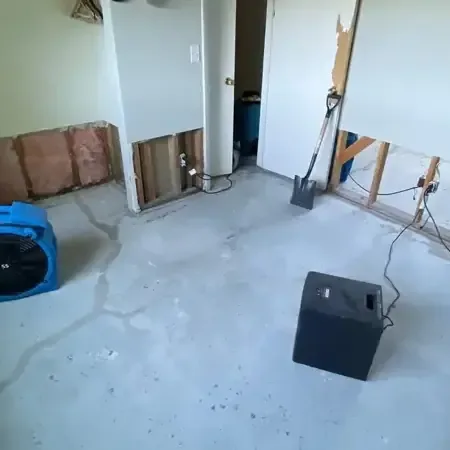
- Drywall that sat in flood water is cut out above the wet mark, and the cavity behind it is dried before anything closes.
- The city asks owners to submit its form before beginning any repairs, and Pinellas County Building issues the permits.
- Repairs above 50 percent of a home's market value in a flood zone can trigger an elevation requirement, so written records of the scope matter.
What Helene did in Oldsmar
On September 26, 2024, during Hurricane Helene, water from Old Tampa Bay rose into R.E. Olds Park. Helene also flooded homes in the Country Club Estates neighborhood, where one family reported more than three feet of water.
In 2024 the city was hit by Helene, a localized flash flood and Hurricane Milton within about two weeks. The flooding was extensive, and the short gap between storms makes quick removal and drying more important.
Pinellas County says everyone in the county is in a flood zone, and that flood zones, evacuation zones and storm surge are different measures.
Coastal water
The city says Oldsmar is adjacent to Tampa Bay and is susceptible to both coastal and inland flooding.
Coastal flooding is bay water pushed inland by a storm, and it carries salt and silt into the house.
Inland water
The city says inland flooding happens when lakes rise above normal or when land depressions fill with rain and form ponds.
It also notes that paving reduces the ground's ability to absorb rain, so water has fewer places to go.
Why soaked drywall comes out
Drywall is paper and gypsum, and it acts like a sponge. Once flood water soaks it, it loses strength, holds contamination and keeps moisture against the framing behind it.
Water from the bay or from a flash flood is Category 3, so wet drywall is removed rather than dried in place.
Flood water from outside carries soil, bacteria and sometimes sewage. That is the reason materials that soaked it up are not kept.
Where the cut is made
The restoration team cuts the drywall above the wet mark, where wicking has carried water higher than the visible stain.
- Cuts run level so new drywall fits cleanly later.
- Insulation inside the cavity comes out with the drywall.
- Baseboards and trim are taken off and set aside if they can be saved.
What stays
Framing, block and concrete stay in place. They are cleaned, treated and dried where they stand.
Extraction and the first days
Standing water goes first. Water extraction uses truck mounted and portable units to pull water off floors before it wicks higher.
After the water is out, the extraction crew removes carpet, pad and wet drywall, and contents move to dry areas.
- Power to wet areas stays off until an electrician says it is safe.
- Photos come before removal, with wide shots and close shots of each room.
- Contents are lifted off wet floors where possible.
Drying the structure
Once the cavities are open, the drying team sets air movers and dehumidifiers and takes moisture readings in framing, block and flooring. Structural drying continues until the readings reach the dry goal.
Wet flooring is checked too. Tile and sealed concrete can usually be cleaned and dried, while carpet, pad and laminate are removed.
Mold can start growing on wet materials within 24 to 48 hours, which is why open cavities are dried quickly.
- Readings are logged each day.
- Equipment moves as rooms dry.
- Walls close only after the framing reads dry.
The city's steps before repairs begin
The city asks owners to submit its form before beginning any repairs. The Building Division uses the form to handle zoning, flood checks and public works and fire approvals before a permit is issued.
All Florida Building Code permits for the city are issued by Pinellas County under an interlocal agreement effective September 1, 2021. Plumbing on private property, roofs, windows and doors, and A/C changeouts may be submitted directly to Pinellas County Building.
Structures in a designated flood zone need a flood check from the Floodplain Manager before permitting. The city also provides Elevation Certificates and a web tool called Forerunner for property flood data.
The 50 percent rule and why records matter
Under the city's 50 percent rule, a house in a flood zone that is below the required elevation and is damaged or improved by more than 50 percent of its market value must be raised to the current elevation requirement.
That makes the written scope important. Photos, moisture readings and a list of removed materials show what the damage was before repairs are priced, and they help owners and builders talk about the same facts.
Related work falls under flood water cleanup, and local water damage restoration teams can supply the records.
- Keep the first photos of every wet room.
- Keep the daily moisture readings from the drying visits.
- Keep a list of the materials removed from each room.
A first week checklist after flood water
The first week sets the pace for repairs, and each day's work depends on the day before it.
- Day one: power off, photos taken and standing water extracted.
- Days two and three: carpet, pad, wet drywall and insulation removed.
- Days three through five: air movers and dehumidifiers run with daily readings.
- Then: the city's form is submitted before repairs begin.
- Finally: walls close after the framing reads dry.
Questions
Why do residents tear out drywall after a flood?
Drywall soaks up flood water like a sponge, loses strength and holds contamination. Removing it above the wet mark lets the cavity be cleaned and dried, and it stops moisture from staying against the framing.
How high is drywall cut after a flood?
Above the wet mark. Water wicks higher than the stain shows, so the team checks the wall with moisture readings and cuts past the point where the readings return to normal.
Do repairs after flooding need a permit?
The city says all Florida Building Code permits are issued by Pinellas County, and it asks owners to submit its form before beginning any repairs. Structures in a flood zone also need a flood check from the Floodplain Manager.
What is the city's 50 percent rule?
A house in a flood zone that is below the required elevation and is damaged or improved by more than 50 percent of its market value must be raised to the current elevation requirement.
Are flood zones, evacuation zones and storm surge the same thing?
No. Pinellas County says they are different measures, and that everyone in the county is in a flood zone.
When can walls be closed again?
After moisture readings in the framing and the cavity reach the dry goal. Closing early traps moisture and invites mold.