Structural Drying and Dehumidification in Oldsmar, FL
Wet framing, subfloors and wall cavities dry on a schedule set by measured moisture, not by how a surface feels. The drying team in Oldsmar sets equipment, logs readings and adjusts daily until the structure is dry.
☎ (888) 621-2041Set up the drying equipment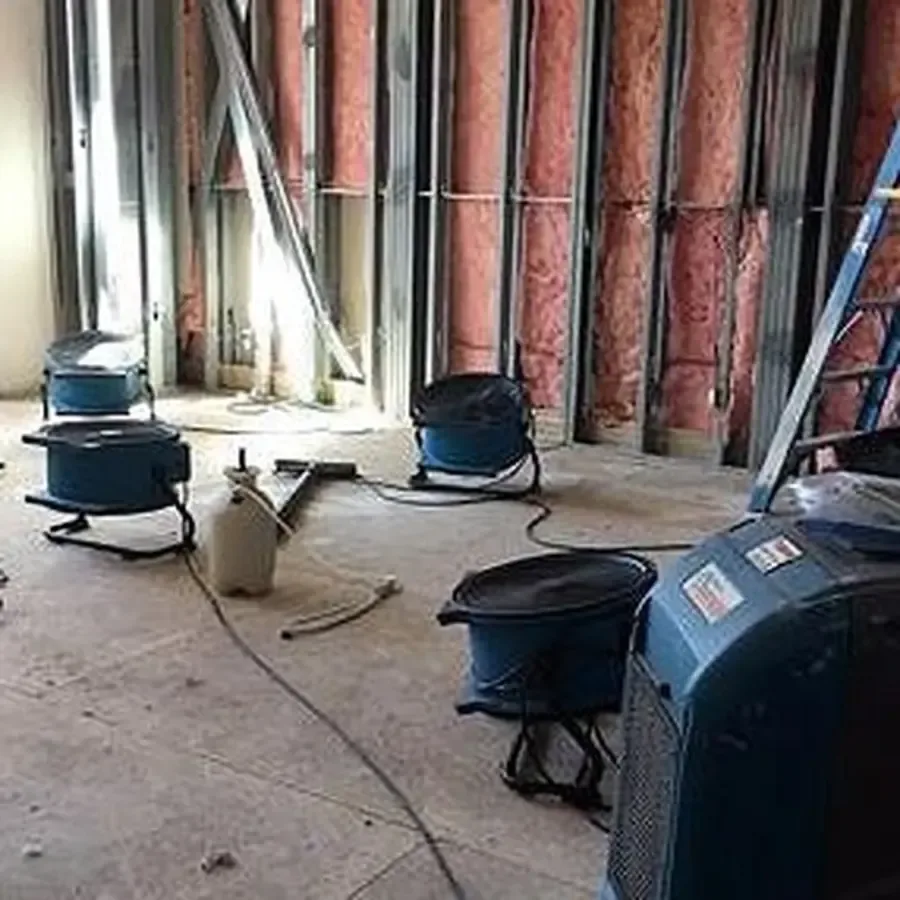
First steps for structural drying and dehumidification
- Let air move. Open interior and closet doors so air can reach wet walls and floors.
- Remove soaked items. Take out wet rugs, boxes and clothing, and set damp furniture on blocks.
- Leave walls closed. Do not drill, cut or paint wet walls before readings show what is behind them.
- Photograph the damage. Photograph every wet area, with a wide shot of each room, before equipment goes in.
After Hurricane Helene, residents in Country Club Estates removed soaked drywall, and the city asks that its Building Division form go in before any repairs begin. That order, drying and documentation first, then repairs, protects the structure and the claim. Rebuilding over damp framing traps moisture and invites mold, so the drying is verified with numbers before anything is closed up. Skipping the verification step is how a rebuilt wall ends up damp inside.
What does structural drying and dehumidification cost in Oldsmar, FL?
Structural drying usually runs $1,000 to $8,000 or more. A single area with a few air movers sits at the low end, while slab or block that needs desiccant drying, tenting and long monitoring sits at the top.
Class 1 or 2, one area
$1,000 to $2,500- Air movers set
- One dehumidifier
- Three to five days
Class 3, several rooms
$2,500 to $5,000- Several dehumidifiers
- Containment
- Daily logs
Class 4, slab or block
$5,000 to $8,000+- Desiccant drying
- Tenting
- Long monitoring
Ranges are typical, not a quote: the category of water, square footage, material class and how fast drying started move the number most. Run the water damage cost calculator for a closer range.
How structural drying and dehumidification is handled, step by step
Classify the loss
Meters, a thermal camera and room measurements set the class and the amount of equipment.
Place the equipment
Air movers and dehumidifiers go in by a layout plan, with desiccant units for dense materials.
Monitor daily
Temperature, humidity and moisture readings are logged and equipment is adjusted to match.
Verify and remove
Equipment comes out once readings match the dry goal, and the final log and photos are saved.
How drying is planned
The loss is classified by how much water was absorbed and how fast it will evaporate. Class 1 and 2 jobs involve limited materials, Class 3 means water came from above, and Class 4 covers dense or deeply saturated materials like concrete and block. Equipment is sized to the class, the room volume and the materials, so a larger room or a denser material means more units.
What the equipment does
- Air movers push dry air across wet surfaces
- LGR dehumidifiers pull moisture out of the air
- Desiccant units handle concrete and dense materials
- Infrared cameras and meters show where water is still hiding
Placement matters as much as equipment count. Air movers are aimed along walls and across floors, and dehumidifiers are sized to the room so the air can keep absorbing moisture instead of reaching saturation.
Daily checks and the finish
Each visit the crew takes temperature, humidity and moisture readings, compares them with an unaffected reference area and moves or removes equipment as areas reach target. Equipment is not pulled until the numbers say the structure is dry, not when the surface feels dry. Water from a flood or a sewer is cleaned and torn out first, as described in flood water cleanup and sewage backup cleanup, before drying equipment goes in.
Structural drying and dehumidification across Oldsmar and nearby
Drying work covers homes in Forest Lakes, Gull Aire Village and Country Club Estates, and shops, offices and business parks around Tampa Road and Forest Lakes Boulevard where wet framing needs time and airflow.
The same service nearby: structural drying and dehumidification in Pinellas Park, Safety Harbor, Dunedin.
Related water damage services in Oldsmar
Structural Drying and Dehumidification questions
How long does structural drying take?
Most jobs run three to five days for limited loss, longer for several rooms, and longer still for concrete or block. Readings, not the calendar, decide when it is done.
Why is equipment left running all day?
Drying works by moving moisture out of materials and removing it from the air, which takes steady airflow and dehumidification until readings reach the dry goal.
Can walls dry without being opened?
Sometimes, using small holes or removed baseboards for airflow, but saturated drywall and insulation are normally removed. Meters show which approach each wall needs.
What if the city requires paperwork before repairs?
The city's Building Division asks that its form go in before repairs begin. Drying and documentation come first, and the logs and photos support both the paperwork and the claim.
Is dehumidification needed in a humid climate?
Yes. Humid air slows drying, so dehumidifiers are what keep moisture moving out of materials. Without them, air movers alone can leave the structure damp.
What does structural drying cost?
One area with limited loss often runs $1,000 to $2,500, several rooms $2,500 to $5,000, and slab or block drying $5,000 to $8,000 or more.
Dry it to the numbers, not the touch
A description of the loss, the rooms affected and any photos is enough for the team to size the equipment.
☎ (888) 621-2041Reach the structural drying crew