AC Leak Water Damage in Oldsmar, FL
A clogged condensate drain or an overflowing pan can soak a closet floor, an attic and the ceiling below. The drying team in Oldsmar traces the water, opens what is wet and dries it all the way back.
☎ (888) 621-2041Stop an AC drip from spreading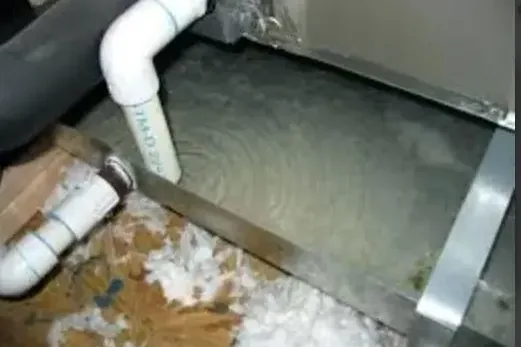
First steps for AC leak water damage
- Turn off the system. Switch the air conditioner off at the thermostat so it stops making more condensate while the drain or pan is checked.
- Clear what is dripping. Set a bucket under any drip, and move furniture and rugs out from under a stained or bulging ceiling.
- Keep clear of fixtures. Do not use light fixtures or fans on a wet ceiling, and leave the breaker panel alone if water reached it.
- Photograph the stain. Take photos of the ceiling stain, the closet floor and the air handler's drain pan before anything changes.
Air conditioners remove gallons of humidity from the air, and all of that water has to leave through a drain. When the drain clogs or the pan cracks, water backs up quietly above ceilings and inside closets, and it can run for weeks before a stain appears. Florida's humid air keeps a system working hard, which makes slow condensate leaks a regular cause of ceiling damage.
What does AC leak water damage cost in Oldsmar, FL?
AC leak cleanup typically runs $1,200 to $6,500 or more. A wet closet floor stays near the bottom, while a ceiling plus the rooms below it reaches the top of that range.
Closet floor only
$1,200 to $2,500- Water extracted
- Baseboard removed
- Floor and wall dried
One ceiling
$2,500 to $4,500- Wet drywall cut out
- Attic insulation removed
- Joists dried
Ceiling and rooms below
$4,500 to $6,500+- Several rooms affected
- Flooring dried or lifted
- LGR dehumidifiers
Ranges are typical, not a quote: the category of water, square footage, material class and how fast drying started move the number most. Run the water damage cost calculator for a closer range.
How AC leak water damage is handled, step by step
Trace the water
Meters and a thermal camera follow the moisture from the air handler through the attic, walls and ceilings.
Remove wet materials
Soaked insulation and ceiling drywall come out, and closet baseboards are pulled so walls can breathe.
Dry the whole path
Air movers and dehumidifiers are set so the attic side, the wall cavity and the room below all dry together.
Check after repair
Readings continue once the unit is fixed, so the moisture does not return and the drying log stays complete.
Where AC water travels
- Closet floors and baseboards around the air handler
- Attic insulation and ceiling drywall below the unit
- Wall cavities that carry the water down
- Carpet, laminate and subfloor in rooms underneath
A leak that begins in an attic can soak insulation and drywall long before anything drips, and a closet leak can wick into the neighboring wall and flooring.
Why it stays hidden
Condensate seeps slowly, so insulation soaks it up long before drywall shows color. By the time a ceiling stains, joists and the top of the wall cavity have usually been wet for a while, which is why moisture mapping matters more than what the surface looks like. A small stain can sit above a much larger wet area. Signs worth watching for include a musty smell near the closet, a ceiling that darkens after the system runs, and flooring that feels soft by the air handler.
Repairs, permits and the drying work
A technician fixes the drain, pan or coil. In Oldsmar, air conditioner changeouts can be submitted directly to Pinellas County Building, and a leaking unit is cleaned up like any other plumbing-type water source. Once the cause is fixed, the drying team can finish structural drying without the water coming back. Ceiling damage below the unit is covered in ceiling leak water damage, which explains how openings are cut.
What the drying crew does
- Cuts out stained or sagging ceiling drywall
- Removes wet attic insulation
- Dries joists and the wall cavities below
- Checks floors and baseboards in rooms under the leak
Wet insulation is bagged and replaced later, since it holds water and keeps joists damp long after the leak stops.
AC leak water damage across Oldsmar and nearby
AC leak work covers homes in the Hamlets of Forest Lakes, Woods of Forest Lakes and Manors of Forest Lakes, Gull Aire Village and Country Club Estates, plus shops and offices along Tampa Road where air handlers sit above ceilings.
The same service nearby: AC leak water damage in Pinellas Park, Safety Harbor, Dunedin.
Related water damage services in Oldsmar
AC Leak Water Damage questions
How does an AC unit leak water?
Most leaks come from a clogged condensate drain, a cracked or rusted drain pan, or a failing coil. A technician finds the cause, and the drying team handles the wet materials.
Why is the ceiling stained but not dripping?
Insulation and drywall absorb water slowly, so a stain can show long before a drip. The wet area is often bigger than the stain, which meters and a thermal camera can map.
Does the attic insulation have to come out?
Usually, if it is soaked. Wet insulation keeps water against joists and drywall for a long time, and it cannot be dried reliably once it has matted down.
Is an AC leak covered by insurance?
Sudden leaks are often covered and slow, long-term seepage often is not, so the policy decides. Dated photos and moisture readings show how far the damage spread.
Can the system run while the ceiling dries?
Only after the leak is fixed. Running an unrepaired unit keeps producing water, so the drain or pan comes first, then the drying finishes the job.
What does AC leak cleanup cost?
A closet floor often runs $1,200 to $2,500, one ceiling $2,500 to $4,500, and a ceiling with rooms below $4,500 to $6,500 or more.
Dry the ceiling and the attic together
A photo of the stain, the air handler and the drain pan, plus a short description, helps the team plan the opening and drying.
☎ (888) 621-2041Reach the AC leak crew