AC Leak Water Damage in Safety Harbor, FL
A clogged condensate drain or a cracked pan sends water into a closet floor, an attic or the ceiling below. The restoration team finds how far it traveled, removes what is soaked and dries the cavity without tearing out more than necessary.
☎ (888) 621-2041Describe the AC leak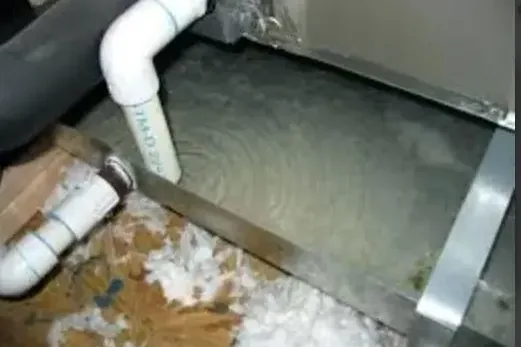
First steps for AC leak water damage
- Turn the unit off. Switch the air conditioner off at the thermostat and the breaker so it stops making more water.
- Catch the drip. Set a bucket under the leak, and move belongings and rugs out of the path of the water.
- Check the drain pan. If the pan is full and safe to reach, empty it, and note whether the drain pipe looks clogged.
- Photograph the stains. Take pictures of the ceiling, the closet floor and the pan before anything is cleaned or moved.
Air conditioners pull moisture out of the air all day, and that water has to leave through a drain. When the drain clogs or the pan cracks, the water goes wherever it can: into a closet floor, across attic insulation or down through a ceiling in Safety Harbor.
What does AC leak water damage cost in Safety Harbor, FL?
AC leaks usually cost $1,200 to $2,500 for a closet floor, $2,500 to $4,500 for one ceiling and $4,500 to $6,500 or more when the ceiling and the rooms below are all wet.
Closet floor only
$1,200 to $2,500- Water extracted
- Baseboard removed
- Wall bottoms dried
One ceiling affected
$2,500 to $4,500- Wet drywall cut out
- Attic insulation pulled
- Joists dried
Ceiling and rooms below
$4,500 to $6,500+- Several rooms affected
- Flooring dried or lifted
- LGR dehumidifiers
Ranges are typical, not a quote: the category of water, square footage, material class and how fast drying started move the number most. Run the water damage cost calculator for a closer range.
How AC leak water damage is handled, step by step
Find the source
The team traces the water back to the pan, drain or float switch and maps the wet area with a moisture meter.
Extract and open
Standing water is removed, then wet drywall and insulation are cut out section by section.
Dry the cavity
Air movers and dehumidifiers dry joists, wall bottoms and flooring while the opening stays accessible.
Verify and record
Readings are logged until they match dry targets, and photos and a materials list go to the adjuster.
Where AC water ends up
- Closet and utility room floors, where water spreads under baseboards and into carpet.
- Attic insulation, which soaks up water and holds it against the ceiling drywall.
- Ceilings below the unit, which stain, bubble and sag before they fail.
- Wall bottoms near the air handler, where water wicks upward through drywall.
The extraction crew removes standing water first, then opens only the wet sections of drywall and insulation. Moisture meters decide where the opening stops, so dry material stays in place. Carpet near the closet is often dried in place if the pad is lifted early.
Why attic leaks go unseen
An attic leak can run for weeks before a stain shows below, because insulation absorbs water and the ceiling drywall acts like a sponge. By the time a brown spot appears, the joists above may be wet too. Checking the attic side with a meter and an infrared camera shows the real size of the loss, which often differs from the stain.
Homes with the air handler in a closet see the opposite problem: the leak is obvious on the floor, but water can wick into the wall behind the unit and stay there. The crew checks the wall back to the studs before calling the closet dry.
Permits and the repair
The city lists air conditioning among work that needs a permit under the Florida Building Code or the Land Development Code, so unit repairs and replacements belong to an HVAC contractor. The drying team stays on the water side, with water extraction first and structural drying until readings reach dry targets.
What gets documented
- The pan, drain or float switch that failed, photographed before cleanup.
- Stains and wet insulation in the attic and the ceiling below.
- Moisture readings at the ceiling, wall bottoms and floor.
- Materials removed, with sizes and dates.
AC leak water damage across Safety Harbor and nearby
AC leak work covers homes and shops across 34695, including the downtown blocks, the streets near Waterfront Park and Veterans Memorial Park, and the Elm Street and Pine Street service area.
The same service nearby: AC leak water damage in Pinellas Park, Oldsmar, Clearwater.
Water damage restoration in Safety Harbor · every city covered
Related water damage services in Safety Harbor
AC Leak Water Damage questions
Is an AC leak covered by insurance?
Sudden overflow damage is often covered, while slow drips over many months may be treated as maintenance. The adjuster decides, so photograph the pan and the stain and file early.
Why is there water in the closet?
Most air handlers sit in a closet or attic and drain through a small pipe. When that drain clogs or the pan cracks, the water spills onto the floor or into the ceiling below.
Does the ceiling always have to come down?
No. The crew opens only the wet section, set by meter readings, and leaves dry drywall in place. A small stain caught early may need only a small opening.
Can the AC run during drying?
Usually yes once the drain is cleared, because the air conditioner helps dehumidify. A technician should fix the cause first so the unit does not make more water.
Who fixes the drain or pan?
An HVAC contractor does, and the city lists air conditioning among work that needs a permit. The drying team handles water removal and moisture control only.
How long does an attic dry-out take?
Wet insulation is removed and the joists are dried, which usually takes three to five days. Longer leaks that soaked several rooms can take a week.
An AC leak can soak the ceiling below
The team extracts the water, opens only the wet drywall and insulation, dries the joists and records the source for the claim.
☎ (888) 621-2041Talk to the drying team