Hurricane and Storm Water Damage in Safety Harbor, FL
Wind-driven rain gets past shingles, flashing and window seals long before a storm is over. The storm team removes wet ceiling and insulation, dries the rooms below and records the damage for the claim.
☎ (888) 621-2041Report your storm damage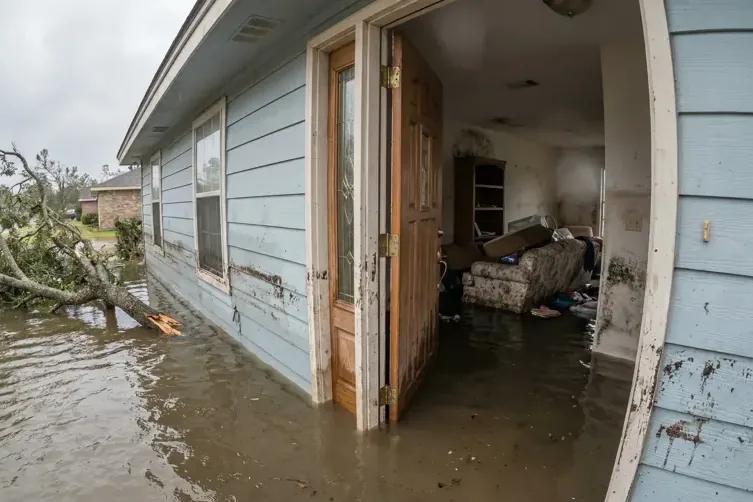
First steps for hurricane and storm water damage
- Make it safe. Stay out of rooms with sagging ceilings, and switch off power to any area where water is dripping through fixtures.
- Catch the water. Set buckets under drips and move belongings out of the path of the leak before the ceiling lets go.
- Cover the opening. A roofer can tarp the damaged section, and the tarp and the receipt are both worth photographing.
- Photograph everything. Record each stained ceiling, wet wall and ruined item, and write down when the storm passed.
Safety Harbor has felt several named storms in recent years: Tropical Storm Eta in 2020, Hurricane Idalia in 2023 and Hurricanes Debby, Helene and Milton in 2024. Most house damage from these storms begins the same way, with rain driven into a roof, an attic or a window frame and then down through the ceiling.
What does hurricane and storm water damage cost in Safety Harbor, FL?
Storm losses usually start near $3,000 for one wet ceiling and run to $6,000 to $12,000 for several rooms. A whole-house storm loss can reach $12,000 to $20,000 or more.
A single room or ceiling
$3,000 to $6,000- Ceiling drywall opened
- Soaked insulation removed
- Room dried in place
Several rooms affected
$6,000 to $12,000- Ceilings and walls opened
- Flooring dried or lifted
- LGR dehumidifiers running
A whole-house storm loss
$12,000 to $20,000+- Attic and ceilings throughout
- Wall cavities opened
- Extended dry-out
Ranges are typical, not a quote: the category of water, square footage, material class and how fast drying started move the number most. Run the water damage cost calculator for a closer range.
How hurricane and storm water damage is handled, step by step
Find the entry
The team traces stains and wet insulation back to the roof, window or wall opening that let water in.
Remove the wet
Ceiling drywall, insulation and wall material that cannot dry are cut out and bagged.
Dry the structure
Dehumidifiers and air movers run in the rooms below until framing and flooring reach dry targets.
Log for the claim
Photos, readings and a materials list are assembled so the adjuster can match them to the storm.
Where storm water ends up
- Attic insulation that soaks up water and holds it against the ceiling drywall.
- Ceilings that stain, sag and sometimes drop onto the floor below.
- Wall cavities where water runs down inside the framing.
- Flooring under a leak that swells before anyone notices.
The team removes what cannot dry and dries the rooms underneath in place, while the roof and the tarp are the roofer's job.
A city that tracks the storms
The city lists five named storms in its FEMA reimbursement request: Ian, Idalia, Debby, Helene and Milton. The pier was swept away in 2024, and the Living Shoreline was rebuilt with 1,200 oyster bags. Private homes are separate from that public work, and each owner documents their own loss.
Claims after a storm
Adjusters ask when the damage appeared, what the source was and what was done to limit it. The storm team answers those questions with dated photos, moisture readings from each room and a list of materials removed, and it separates wind-driven rain from rising flood water, because the two are often covered differently. Temporary repairs such as a tarp should be photographed and receipts kept.
What gets documented
- Photos of every stained ceiling and wet wall.
- Entry points found, such as a lifted shingle or failed seal.
- Insulation and drywall removed, with sizes.
- Daily readings until the structure is dry.
Hurricane and storm water damage across Safety Harbor and nearby
Storm response covers homes across Safety Harbor, ZIP 34695, from the bay side near Waterfront Park to the downtown blocks, Veterans Memorial Park and the Elm Street and Pine Street service area.
The same service nearby: hurricane and storm water damage in Pinellas Park, Oldsmar, Clearwater.
Water damage restoration in Safety Harbor · every city covered
Related water damage services in Safety Harbor
Hurricane and Storm Water Damage questions
Is storm damage the same as flood damage?
Not for insurance. Rain that enters through a roof or window is usually treated differently from rising water, so the source is written down early.
Can the ceiling wait until the roof is fixed?
Wet insulation and drywall should come out first, since leaving them in place lets moisture spread while the roof waits for repair.
Does the crew repair the roof?
No. Roofing is a separate trade, and the city lists roofing among work that needs a permit. The storm team handles the water, drying and records.
What if several storms hit in one season?
Photos with dates and readings help separate one event from another, which matters when an adjuster compares the damage with the storm dates.
How long does a storm dry-out take?
A single ceiling usually dries in three to five days, while several rooms can take a week or more depending on materials.
Will wet insulation always be replaced?
Almost always. Insulation that stays wet loses its value and keeps the ceiling damp, so it is removed and replaced after the framing dries.
Should wet drywall be left until the adjuster visits?
Photograph it first, then remove it. Leaving soaked drywall in place can turn a small claim into a larger one, and photos plus a materials list give the adjuster what is needed.
Storm water keeps working after the storm
The storm team removes wet ceilings and insulation, dries the rooms and builds a record of the loss that the adjuster can follow.
☎ (888) 621-2041Reach the storm team