Flood Water Cleanup in Safety Harbor, FL
Flood water carries mud, silt and bacteria into everything it touches. The cleanup crew clears the sediment, removes materials the water soaked, disinfects what stays and dries the structure to dry standards.
☎ (888) 621-2041Talk through the flood damage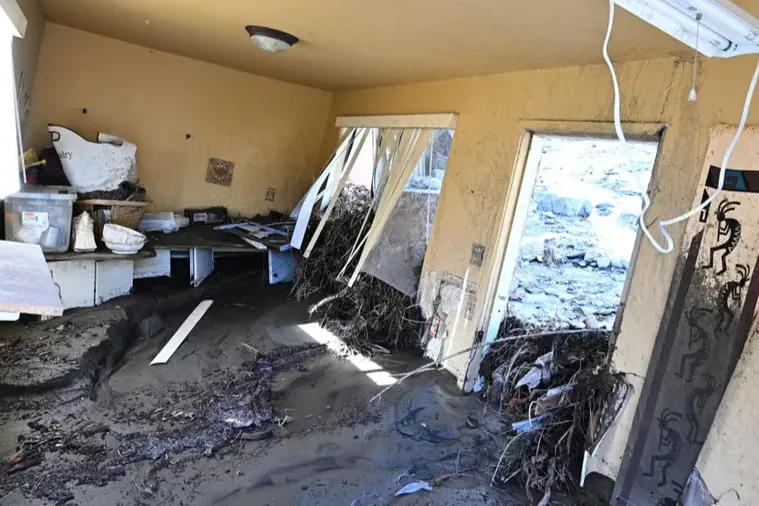
First steps for flood water cleanup
- Stay out of the water. Flood water can hide debris and electrical hazards, so wait for the power to be shut off before wading in.
- Protect yourself. Boots, gloves and a mask are the minimum around contaminated mud, and everyone else should stay clear of the work area.
- Save what you can. Lift photos, papers and small valuables to dry shelves, and leave bulky furniture for the crew.
- Document the water mark. Photograph the high-water mark on every wall, plus damaged flooring and contents, before cleanup begins.
Flood water behaves differently from a plumbing leak. It arrives with silt, debris and bacteria, and it rises across a whole floor at once. Around Safety Harbor, the Alligator Creek Watershed and the Old Tampa Bay shore are where heavy rain and storm water tend to collect.
What does flood water cleanup cost in Safety Harbor, FL?
Flood cleanup costs more than a plumbing leak because the water is contaminated. A garage or one room runs $4,000 to $8,000, and a whole ground floor can reach $16,000 to $25,000 or more.
A garage or a single room
$4,000 to $8,000- Mud and water pumped out
- Drywall cut low
- Antimicrobial and drying
Several rooms affected
$8,000 to $16,000- Flooring taken up
- Drywall and insulation removed
- Containment set
The whole ground floor
$16,000 to $25,000+- Tear-out to the water mark
- Contents carried out
- Extended dry-out
Ranges are typical, not a quote: the category of water, square footage, material class and how fast drying started move the number most. Run the water damage cost calculator for a closer range.
How flood water cleanup is handled, step by step
Clear the sediment
Mud, silt and debris are shoveled and pumped out so floors and slab are exposed and can be measured.
Tear out the soaked
Carpet, pad, baseboards and low drywall are removed to a height above the high-water mark.
Disinfect the structure
Framing, concrete and remaining surfaces are cleaned and treated with antimicrobial products.
Dry and verify
Dehumidifiers and air movers run until meter readings match dry targets, and the final numbers are logged.
What the cleanup covers
- Water extraction plus shoveling out mud, silt and debris before anything can dry.
- Removing carpet, pad and flooring that sat in contaminated water.
- Cutting drywall and insulation above the high-water mark so wet cavities can dry.
- Disinfecting framing and concrete with antimicrobial products.
Every cut is measured against the water mark, not against how the wall looks. Wicking can carry moisture higher than the flood reached, so the crew checks with meters and sets up structural drying before closing anything.
A larger floodplain on paper
A preliminary FEMA map for the Alligator Creek Watershed shows roughly 1,390 acres in the 100-year floodplain, compared with about 975 acres on the existing maps, including low-lying neighborhoods the older maps missed. The map is still preliminary, so owners should ask the Building Department what applies to a specific property.
Flood water and insurance
Flood water is usually excluded from a standard homeowners policy, and a separate flood policy responds instead. A lender may require federal flood insurance for a property in the 100-year floodplain, and owners may qualify for a Newly Mapped discount when they buy or renew within 12 months of the map update. Either way, the crew photographs the water mark, logs readings and keeps a materials list so the adjuster can verify the claim.
What gets documented
- Photos of the water mark on every wall before cutting begins.
- The depth and duration of the flooding, as the owner remembers it.
- Removed flooring, drywall and insulation, with sizes.
- Moisture readings at each visit until the structure is dry.
Flood water cleanup across Safety Harbor and nearby
Flood cleanup covers low-lying properties across 34695, including streets near Waterfront Park, the Elm Street and Pine Street service area, Veterans Memorial Park and the downtown blocks.
The same service nearby: flood water cleanup in Pinellas Park, Oldsmar, Clearwater.
Water damage restoration in Safety Harbor · every city covered
Related water damage services in Safety Harbor
Flood Water Cleanup questions
Is flood water considered contaminated?
Yes. Flood water picks up soil, runoff and bacteria on its way in, so porous materials it touched are removed instead of dried, and hard surfaces are disinfected.
How high does drywall have to be cut?
Above the high-water mark, with meters used to check for wicking. The crew confirms the cut height wall by wall.
Does a standard homeowners policy cover flood water?
Usually not. Rising water typically needs a separate flood policy, and the declarations page shows whether one is in place.
Can the garage be cleaned first?
Often yes, because a garage slab and low walls dry quickly once mud and water are out, and clearing it gives the crew room to stage equipment.
What if the flood map changes for my property?
The preliminary FEMA map is not final. When it is adopted, flood insurance requirements may change, and the Building Department can explain what applies.
Will furniture and belongings be saved?
Solid wood and sealed items can often be cleaned. Upholstery and particleboard that sat in flood water usually cannot be restored.
How soon should cleanup begin after the water recedes?
As soon as it is safe to enter. Mud dries into a crust that traps moisture and bacteria against the floor, so clearing it early shortens the whole job and protects the slab.
Flood damage grows while it sits
The cleanup crew removes the mud, cuts out what the water ruined, disinfects and dries the structure so rebuilding can begin.
☎ (888) 621-2041Talk to the cleanup crew