Commercial Water Damage in Safety Harbor, FL
A wet shop or office loses money every day it stays closed. The restoration team extracts the water, removes wet ceiling tile and drywall and dries the space in phases, so the business can reopen as soon as it is safe.
☎ (888) 621-2041Talk about a commercial loss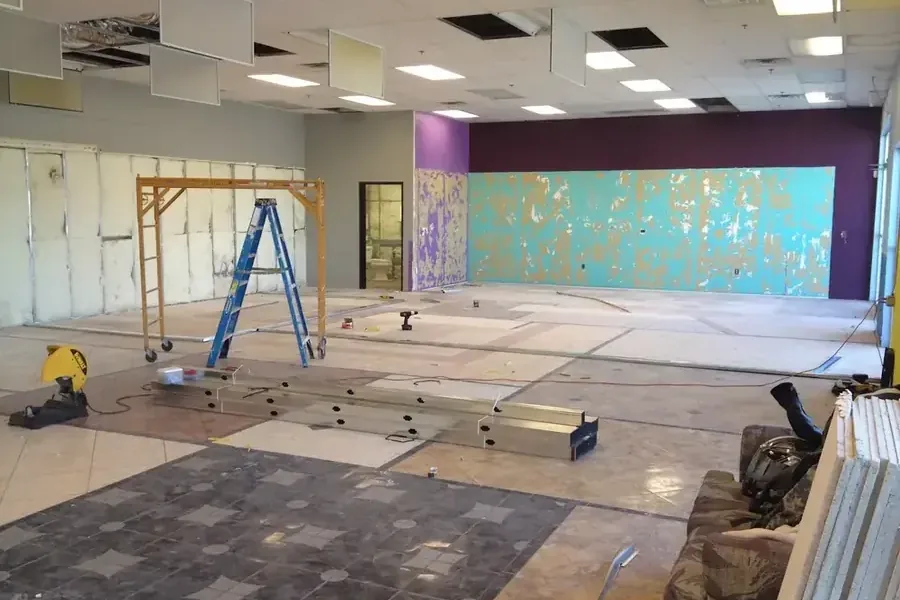
First steps for commercial water damage
- Shut the water off. Close the main or the valve to the failed fixture, and tell staff to keep clear of wet areas.
- Protect stock and records. Lift inventory, paperwork and electronics off the floor and cover shelving where water is dripping.
- Notify the owner and carrier. Landlords and insurers often have notice requirements, so report the loss early and in writing.
- Photograph the loss. Record wet floors, stained ceilings and damaged stock before anything is moved.
Commercial space in Safety Harbor includes Main Street downtown and the waterfront, and a leak in any of it carries a cost that a home leak does not: lost sales, idle staff and stock at risk. The goal is to dry the space quickly and keep the part that is not wet open if it can be.
What does commercial water damage cost in Safety Harbor, FL?
Commercial losses usually cost $3,000 to $10,000 for one suite or small shop, $10,000 to $30,000 for a large floor and $30,000 to $50,000 or more building-wide or at Category 3.
One suite or small shop
$3,000 to $10,000- Water extracted
- Ceiling tile and drywall out
- Phased drying
A large floor or several suites
$10,000 to $30,000- Truck-mounted extraction
- Containment set
- After-hours work
Building-wide or Category 3
$30,000 to $50,000+- Contaminated water handled
- Multiple floors or units
- Extended drying
Ranges are typical, not a quote: the category of water, square footage, material class and how fast drying started move the number most. Run the water damage cost calculator for a closer range.
How commercial water damage is handled, step by step
Assess and plan
The crew walks the space, maps moisture and plans phases around the hours the business needs.
Extract and remove
Standing water is pulled out, then wet ceiling tile, insulation and drywall are removed.
Dry in phases
Dehumidifiers and air movers run suite by suite so unaffected areas can reopen sooner.
Document and hand over
Logs, photos and a materials list go to the owner and the carrier, and the space is released.
How a commercial job runs
- Extraction first, so water is out of the way before anything else is touched.
- Ceiling tile, insulation and wet drywall removed in phases.
- Equipment placed so it is clear of customer or staff paths.
- Work scheduled after hours where the business needs the space by day.
Phasing lets one suite or dining room dry while the rest stays in use, which keeps closures as short as the loss allows.
What affects the scope
Leases, tenant improvements and shared walls change who owns what and who pays. The city lists commercial renovations and remodels among work that needs a permit, so rebuilding is separate from the dry-out. The crew keeps a log of what was removed, and water extraction and structural drying are documented room by room for the carrier.
Business interruption
Many commercial policies include business interruption cover, which pays for lost income while the space is unusable. Dated photos, readings and a clear closing date make that claim easier to prove. Contaminated water from a drain or storm brings the work closer to sewage backup cleanup, with containment so that clean areas stay clean.
Commercial water damage across Safety Harbor and nearby
Commercial work covers businesses across Safety Harbor, ZIP 34695, including the Main Street blocks downtown, the waterfront near Waterfront Park and the Elm Street and Pine Street service area.
The same service nearby: commercial water damage in Pinellas Park, Oldsmar, Clearwater.
Water damage restoration in Safety Harbor · every city covered
Related water damage services in Safety Harbor
Commercial Water Damage questions
Can the business stay open during drying?
Sometimes. Phasing lets unaffected areas stay open while the wet area is dried, as long as it is safe for staff and customers.
Who pays, the tenant or the landlord?
It depends on the lease and the policies involved. Report the loss to both early and keep records for each.
Do commercial policies cover lost income?
Many include business interruption cover. Dated photos, readings and a closing date help show how long the space was unusable.
Can the work happen outside business hours?
Yes. Extraction and equipment setup can be scheduled after closing, so the business can open as normal during the day.
What about wet inventory?
Photograph it, set it aside and keep a count. The adjuster may want to see it, and sealed or nonporous stock can sometimes be cleaned.
Do commercial jobs need containment?
Often, when ceilings or contaminated water are involved. Plastic barriers and negative air keep dust and moisture away from the dry parts of the building.
How long does a commercial dry-out take?
A small shop usually dries in three to five days, while a large floor or several suites can take a week or more.
Every closed day costs the business money
The restoration team extracts the water, dries in phases, works after hours when needed and keeps logs the carrier can rely on.
☎ (888) 621-2041Reach the restoration team