Commercial Water Damage in Clearwater, FL
Offices, shops, medical suites and apartment properties all lose business when water gets in. The drying team phases the work by suite, contains the wet area and keeps the rest of the building running.
☎ (888) 621-2041Call about water in a building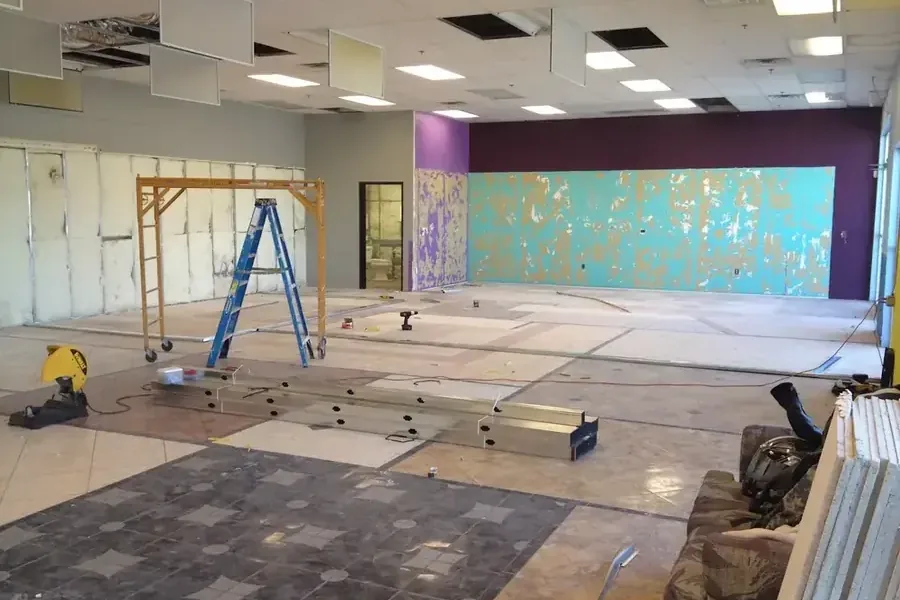
First steps for commercial water damage
- Shut off the water source. Close the valve or the main, and tell the property manager.
- Protect the electronics. Move computers, files and inventory off the floor and away from dripping ceilings.
- Cut power to wet areas. Turn off the breakers for any suite where water reached outlets or fixtures.
- Photograph every affected suite. Capture each room, the source and the damaged inventory for the carriers.
A water loss in a commercial building is a business interruption as much as a drying job. The aim is to remove the water, protect the neighbors and get the space back in use with the least downtime. Commercial jobs often run on a schedule set by the tenants, the property manager and the carrier, so the plan is written down before equipment goes in.
What does commercial water damage cost in Clearwater, FL?
One suite or small shop often runs $3,000 to $10,000, and a building-wide or Category 3 loss can pass $50,000. Square footage, the number of suites and the water category drive the total.
One suite or small shop
$3,000 to $10,000- Water extracted
- Ceiling tiles and drywall out
- Phased drying
Large floor or several suites
$10,000 to $30,000- Truck-mounted extraction
- Containment
- After-hours work
Building-wide or Category 3
$30,000 to $50,000+- Contaminated water
- Multiple floors or units
- Extended drying
Ranges are typical, not a quote: the category of water, square footage, material class and how fast drying started move the number most. Run the water damage cost calculator for a closer range.
How commercial water damage is handled, step by step
Assess the building
The crew maps wet areas, checks water categories and plans around business hours.
Contain and extract
Barriers go up, and water is removed with truck-mounted and portable equipment.
Dry in phases
Suites dry in sequence, with equipment placed to keep the rest of the building working.
Document and release
Daily logs and final readings go to the property manager and the carriers.
A varied local building stock
The city's mix includes Morton Plant Hospital, the shops and restaurants that serve visitors, and attractions such as BayCare Ballpark and the Clearwater Marine Aquarium on the beach. Buildings with 50 or more units hold 11,854 of the city's housing units as well, so a multi-unit loss can be a commercial-scale loss.
Keeping a business open
- Work is phased so one suite dries while neighbors keep operating.
- Containment barriers and negative air protect clean areas.
- Evening and weekend scheduling is available where the building needs it.
- Ceiling tiles and wet drywall come out first, so the rest can dry through structural drying.
Multi-unit and tenant questions
Water in a commercial building crosses suites through ceilings, shared walls and floors. The crew traces the path, documents each affected suite for the property manager and the carriers, and dries them in one coordinated plan.
Sewage and flood water in a building
When the water is contaminated, containment goes up, porous materials are removed and clearance readings are taken before tenants return. The contaminated-water steps follow sewage backup cleanup and flood water cleanup.
Commercial water damage across Clearwater and nearby
Commercial work covers shops, offices and multi-unit properties along Cleveland Street, State Road 60, McMullen Booth Road and Keene Road, and near Pier 60 and Coachman Park.
The same service nearby: commercial water damage in Pinellas Park, Dunedin, Safety Harbor.
Related water damage services in Clearwater
Commercial Water Damage questions
Can the business stay open during drying?
Often yes. Work is phased by suite, with containment and after-hours scheduling, so the unaffected areas can keep operating.
Who pays for a loss that crosses several suites?
That depends on the lease and the policies involved. Documentation for each suite helps the carriers and the property manager sort it out.
Is commercial drying different from residential drying?
The principles are the same, but the scale, the building systems and the tenant needs are different. Larger equipment, phasing and detailed logs are typical.
What about inventory and equipment?
Items are moved out of wet areas, photographed and listed. Salvageable goods are dried or cleaned, and the rest are documented for the claim.
How is a sewage loss in a shop handled?
The area is sealed, contaminated materials are removed and surfaces are treated before clearance readings are taken. The shop reopens once those readings pass.
Do flat roofs and ceilings need special attention?
Flat roof leaks often soak large ceiling areas, so ceiling tiles, insulation and structure are checked with a meter before any decision is made.
Business water losses cost every day
Each day a suite stays wet adds to the downtime, so an early call lets the crew phase the work and protect the rest.
☎ (888) 621-2041Call the drying team