Structural Drying and Dehumidification in Seminole, FL
After the water is pulled out, the structure still holds moisture. The drying crew sets dehumidifiers and air movers by the numbers, reads moisture every day and adjusts the equipment until the framing, floors and slab are dry.
☎ (888) 621-2041Wet framing or floors? Talk to the drying crew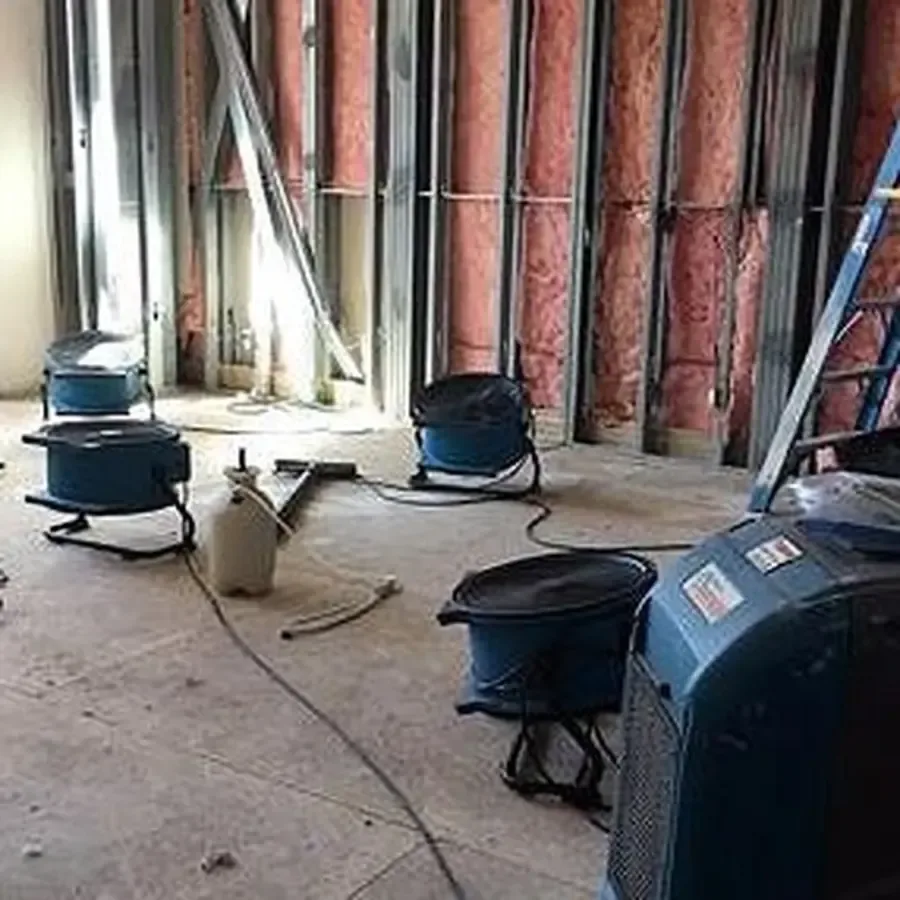
First steps for structural drying and dehumidification
- Get the water out. Extract standing water first. Dehumidifiers cannot do the work of a pump.
- Leave it open. Keep baseboards off and wall openings clear so air can reach wet cavities.
- Keep doors shut. Closed doors and windows stop humid air from re-entering while the equipment runs.
- Leave it running. Do not switch machines off to save power. Early shutoff leaves wet framing behind.
Drying is where a water loss is won or lost. Too little equipment, or machines pulled too early, leave wet framing behind walls, and damp materials left in place can begin growing mold within 24 to 48 hours. The class of loss sets the plan.
What does structural drying and dehumidification cost in Seminole, FL?
A Class 1 or 2 area costs about $1,000 to $2,500, Class 3 across several rooms $2,500 to $5,000, and Class 4 slab or block work $5,000 to $8,000 or more.
Class 1 or 2, single area
$1,000 to $2,500- Fans on wet walls
- One dehumidifier
- Roughly four days
Class 3, multi-room
$2,500 to $5,000- Several dehumidifiers
- Plastic containment
- Logged each day
Class 4, concrete or block
$5,000 to $8,000+- Desiccant units
- Tented work area
- Long monitoring period
Ranges are typical, not a quote: the category of water, square footage, material class and how fast drying started move the number most. Run the water damage cost calculator for a closer range.
How structural drying and dehumidification is handled, step by step
Classify the loss
The crew identifies the water class and the materials affected, then calculates equipment from room size and wet area.
Set the equipment
LGR or desiccant dehumidifiers and air movers go in, aimed at wet surfaces and cavities, with containment where needed.
Read every day
Moisture and humidity readings are taken at marked spots, and equipment is moved as areas dry.
Remove and record
Machines come out when readings reach the dry standard, and the logs are saved for the file.
The four classes of loss
Class 1 involves little wet material, Class 2 involves carpet and cushion, Class 3 means water came from above and soaked ceilings and walls, and Class 4 covers dense materials such as slab, block and hardwood that hold water deeply. The class decides how many air movers and which dehumidifiers go in.
- LGR dehumidifiers for most wood, drywall and carpet losses
- Desiccant units when the air is cool or the material is dense
- Air movers aimed along walls and across floor surfaces
- Tenting or containment to keep drying air where it is needed
Local rules that reach the dry-out
In Seminole's floodplain, additions, improvements and repairs equal to or above 50 percent of a structure's market value must meet new-building requirements, including a lowest floor at least one foot above base flood elevation. About 11 percent of the city's properties sit in the 100-year floodplain, so a large drying and rebuild job can reach that line. Daily logs and photographs document the scope of drying for the contractor and the city.
How the crew knows it is dry
Readings are taken in the same spots every day: moisture in drywall, wood and slab, plus temperature and humidity in the air. Equipment is moved or removed as spots reach the dry standard, and the last readings go into the file. Related work follows water extraction and flood water cleanup.
Structural drying and dehumidification across Seminole and nearby
Drying equipment goes into houses, condos and commercial spaces across the city, from The Gardens, Lake Pearl Estates and Orangewood to Bay Pines, along Park Boulevard and 113th Street North.
The same service nearby: structural drying and dehumidification in Pinellas Park, Clearwater, Safety Harbor.
Related water damage services in Seminole
Structural Drying and Dehumidification questions
How long does structural drying take?
Most jobs take three to five days, and Class 4 slab or block can take longer. Daily readings decide when it is done, not a fixed calendar number.
Why are dehumidifiers more important than fans?
Fans move air across surfaces, but only dehumidifiers remove moisture from that air. Without them, humid air just carries the water to other materials.
Why does a drying job need daily visits?
Readings change as materials dry, and equipment has to be moved to the spots that stay wet. Checking every day avoids both running machines too long and pulling them too early.
What is a Class 4 loss?
Water has soaked dense materials such as concrete, block, plaster or hardwood. These dry slowly and often need desiccant dehumidifiers, tenting and longer monitoring.
Do drying records matter for the city?
They can. In the 100-year floodplain, repairs equal to or above 50 percent of market value must meet new-building requirements, so documented scope and photos help show where a project stands.
Can wet drywall be dried without removal?
Sometimes, if it was clean water and caught early. Sagging, stained or contaminated drywall comes out, and insulation behind it is checked before the wall is closed.
Dry to a number, not a guess
Moisture left in framing and subfloor causes rot, odor and mold. The crew sets the equipment, reads moisture every day and leaves only when the readings are dry.
☎ (888) 621-2041Book the drying crew